
Feeling puzzled about your car’s performance? If you’ve recently noticed smoke from the exhaust, a burning smell, or a dip in your oil levels, you might be asking yourself, why is my car burning oil? Understanding the reasons behind oil consumption is essential to prevent engine damage and extend your vehicle’s lifespan. This comprehensive guide will explore why your car burns oil, how to identify symptoms, and effective ways to troubleshoot and resolve this issue.
The Fundamental Reasons Behind Oil Consumption – Understanding the Root Causes
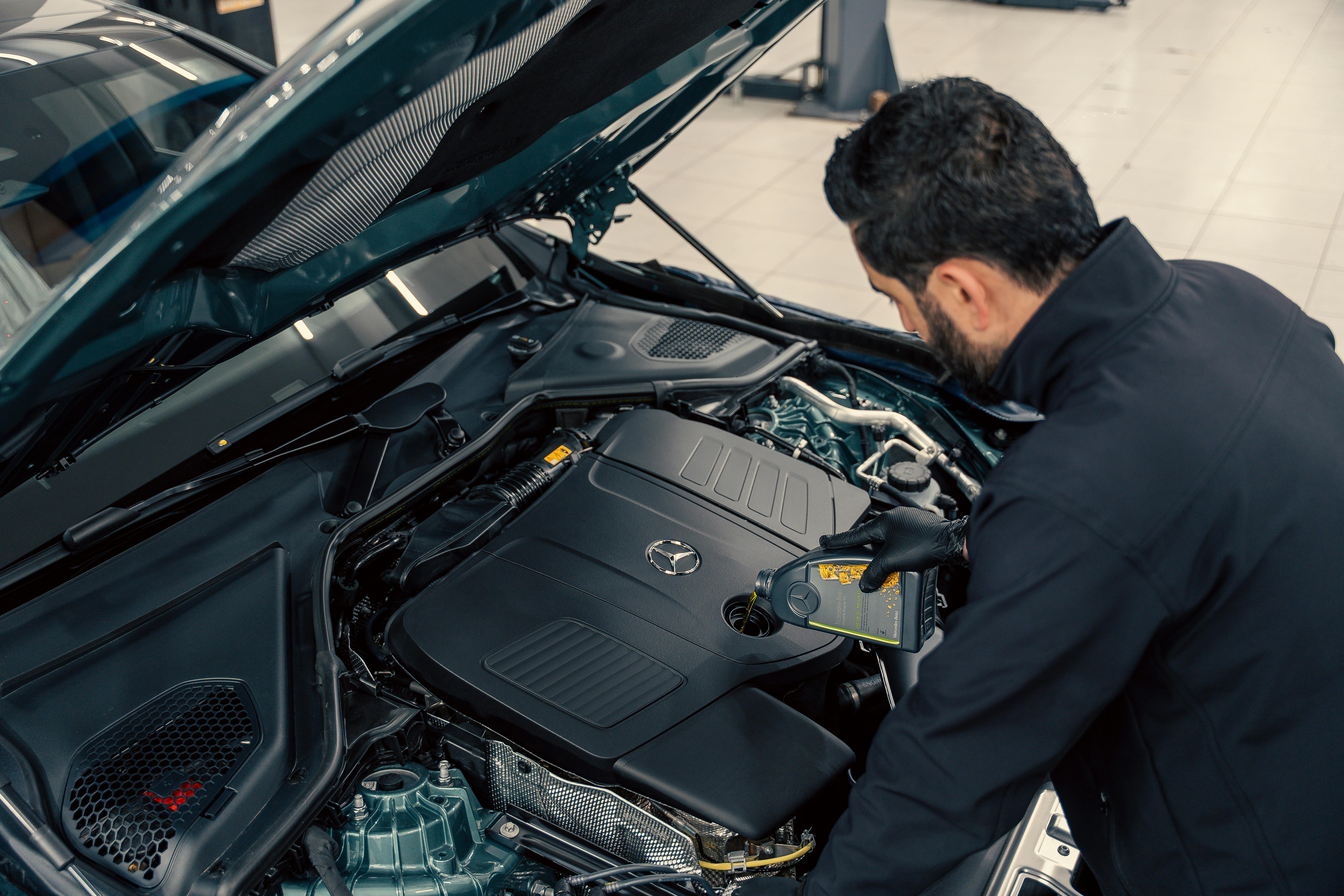
When your vehicle begins consuming oil excessively, it’s a sign that something isn’t functioning as it should within the engine. The causes can range from simple worn components to more complex mechanical failures. Recognizing the underlying reason behind why is my car burning oil can help in diagnosing the problem accurately and deciding the right course of action.
Before diving into specific causes, it’s essential to understand that oil is vital for lubricating engine parts, reducing friction, and preventing overheating. Excessive burning or consumption indicates that oil is either leaking or being combusted within the engine. Both situations require careful attention to prevent severe engine damage.
Worn Valve Seals and Valve Guides – The Small Components with a Big Impact
Valve seals and guides are crucial for maintaining proper oil flow regulation within the engine. Over time, these seals can deteriorate due to heat, age, or poor maintenance, leading to oil leaks into combustion chambers.
When valve seals wear out, oil can seep past them during engine operation. This excess oil then burns along with the air-fuel mixture, producing blue smoke from the exhaust, and significantly contributing to why is my car burning oil. Similarly, worn valve guides can allow oil to bypass into combustion chambers.
The complexity of this issue lies in the fact that replacing valve seals and guides requires engine disassembly—often a labor-intensive process. Regular engine oil checks can help catch early signs of seal deterioration, such as increased oil consumption without visible leaks.
Piston Rings and Cylinder Walls – The Heart of Engine Compression and Oil Control
Piston rings are designed to seal the combustion chamber, control oil consumption, and transfer heat from the piston to the cylinder walls. If they become worn or damaged, oil can pass into the combustion chamber and burn along with fuel, leading to why is my car burning oil.
When the piston rings fail, the engine loses compression, resulting in reduced power and increased oil burning. This situation is common in older engines or those subjected to harsh driving conditions, such as frequent short trips, over-revving, or inadequate oil changes.
Troubleshooting piston ring issues involves performing engine compression tests or using leak-down testers. If piston rings are compromised, an engine rebuild or replacement may be necessary, which underscores the importance of maintenance to slow down wear.
Turbulent or Clogged PCV Valve – A Silent Contributor to Oil Burning Issues
The positive crankcase ventilation (PCV) valve plays a vital role in reducing emissions and controlling internal pressure by recirculating gases from the crankcase into the intake manifold. If it becomes clogged or faulty, it can cause increased pressure within the engine, forcing oil past seals and gaskets.
A malfunctioning PCV valve disrupts the normal flow of gases, leading to oil leakage and burning. Aside from why is my car burning oil, symptoms include oil odors inside the vehicle, rough idling, or oil leaks around the valve cover gasket.
Regularly inspecting and replacing a clogged PCV valve can prevent oil from entering the combustion chamber unnecessarily, thus curbing excessive consumption and reducing emissions.
External and Internal Oil Leaks – Easy to Spot But Sometimes Overlooked
Many drivers notice external leaks before realizing their engine is burning oil. Leaks often occur around gaskets, seals, or hoses, causing oil to drip onto the pavement or engine components.
However, internal leaks are more insidious—they don’t leave visible spots but cause the engine to burn oil during operation. Common causes include seepage through worn gaskets, cracked valve covers, or deteriorated oil pan seals.
It’s vital to check the engine for leaks periodically, especially if you observe burning oil symptoms like smoke or a burning smell. Keeping an eye on oil levels and inspecting gaskets can prevent big breakdowns.
Diagnosing External Versus Internal Oil Leaks
| Aspect | External Leak | Internal Burning Oil |
|---|---|---|
| Visibility | Oil spots under car | No visible leaks, smoke from exhaust |
| Cause | Gasket failure, cracked hoses | Worn piston rings, valve seals |
| Detection | Visual inspection, leak dye | Compression tests, smoke tests |
Regular oil level checks and visual inspections are your first line of defense. External leaks are easier to detect and often cheaper to repair, whereas internal leaks require more complex diagnosis and repairs.
How to Properly Diagnose Why Your Car Is Burning Oil and Prevent Future Issues
Understanding why is my car burning oil involves a systematic approach. Diagnosing the root cause can save you money and prevent engine failure. It’s essential to adopt a proactive attitude and follow specific diagnostic steps.
Start with an honest assessment of your driving habits and maintenance history. Vehicles driven aggressively or with irregular oil changes are more prone to burning oil. Then, perform quick tests such as checking the oil level, inspecting visually for leaks, and monitoring smoke emissions.
For a more detailed diagnosis, professional tools like compression testers, leak-down testers, and visual inspections of piston rings, valve seals, and the PCV valve are valuable. Conducting these tests periodically will help catch problems early.
Preventive maintenance tips to avoid why is my car burning oil
Regular oil changes are fundamental, but beyond that, using high-quality oil as specified by the manufacturer helps maintain effective lubrication and reduces engine wear. Keeping the engine clean from sludge and debris, inspecting and replacing gaskets periodically, and driving within optimal RPM ranges all contribute greatly to preventing oil consumption issues.
Adapting your driving habits to avoid excessive acceleration, high RPM operating conditions, and short trips can prolong the life of critical engine components like piston rings and valve seals. Regular professional inspections, especially for aging vehicles, help preempt costly repairs and keep why is my car burning oil in check.
Conclusion
In summary, why is my car burning oil can be attributed to various factors from worn piston rings and valve seals to clogged PCV valves and external leaks. Identifying these causes requires careful inspection, regular maintenance, and sometimes professional diagnosis. Preventive measures such as routine oil changes, using quality lubricants, and proper driving habits can prolong engine life and minimize oil consumption. While some issues like gasket failures or worn piston rings necessitate significant repairs, early detection saves money and prevents catastrophic engine damage. Sustained care and attentive driving can keep your vehicle running smoothly and efficiently, ensuring you are not left wondering about why your car burns oil unexpectedly.