
If you’ve ever turned the key or pushed the button to start your vehicle only to be met with silence or strange noises, you’re not alone. Many drivers face the perplexing issue of why is my car not starting, and it can be a stressful and frustrating experience. From minor glitches to significant mechanical failures, understanding the common reasons behind this problem can help you diagnose the issue faster and determine whether you can fix it yourself or need professional assistance. This comprehensive guide walks you through the potential causes behind a car that refuses to start, providing insights, troubleshooting tips, and practical advice to get you moving again as smoothly as possible.
The Battery – The Heart of Your Car’s Starting System
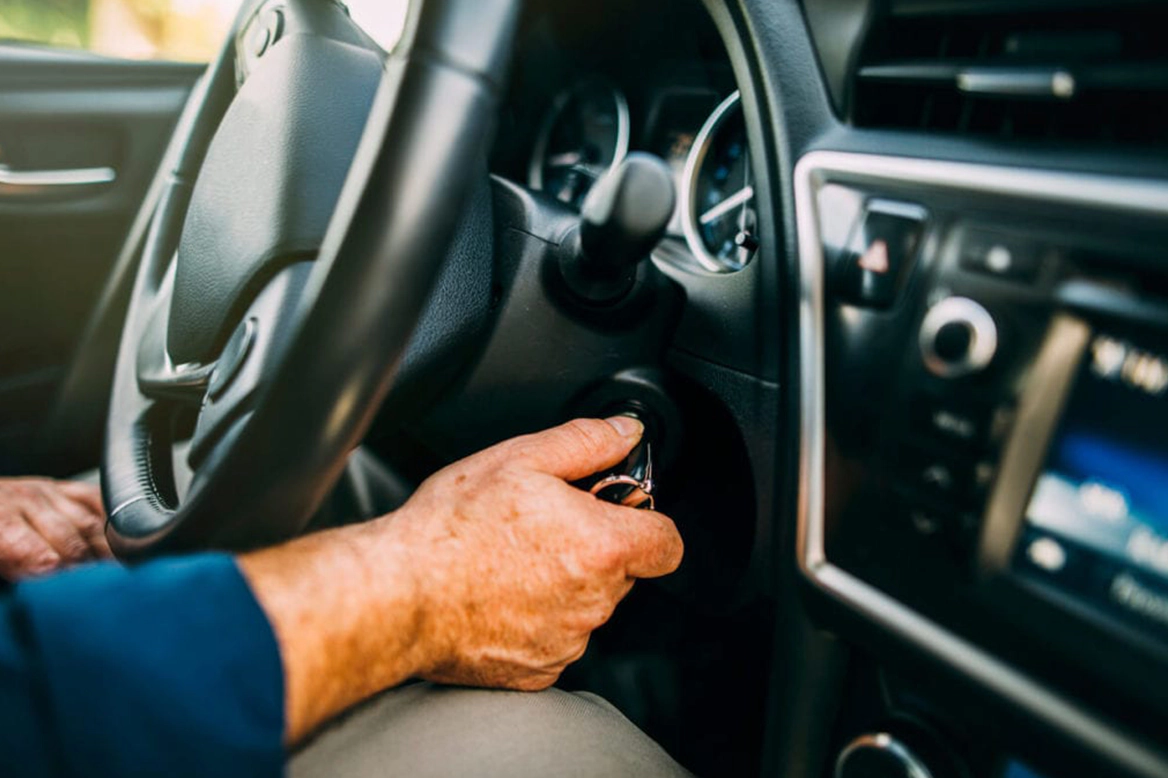
One of the most frequent culprits behind a car that won’t start is a dead or depleted battery. If your vehicle’s electrical system doesn’t have enough power, it won’t turn over or produce the necessary response to ignition, leaving you stranded. Recognizing the signs, understanding the causes, and knowing how to address battery-related issues are crucial in resolving why is my car not starting.
While battery issues are often the first point of check, it’s important to distinguish between a simple dead battery and other underlying issues that can mimic the same symptoms. A reduced battery capacity can happen due to many factors, including age, extreme temperatures, or leaving your lights on. Diagnosing this problem involves checking the battery’s state of charge, inspecting for corrosion, and testing the voltage levels.
In many cases, a jump-start or battery replacement solves the problem temporarily or permanently, but it’s essential to identify the root cause to prevent future incidents. Beyond the immediate fix, understanding the lifespan of your car battery, proper maintenance habits, and recognizing early warning signs can save you from being stranded unexpectedly.
Signs of a Failing Battery
A failing battery presents various symptoms that are often confused with other mechanical issues. Common signs include the engine cranking slowly, dim or flickering headlights, or a malfunctioning dashboard. If your car’s electrical systems seem weaker than usual or the interior lights are dim and flicker at startup, these are strong indicators of battery problems.
One critical indication is the “clicking” sound when you turn the key—the starter tries to engage but lacks sufficient power to turn the engine over. You may also experience a “clicking” sound without any engine activity, or the dashboard may light up momentarily before dying. These cues point toward an insufficient electrical charge that can’t sustain the demands of the starting system.
Understanding the impact of transient battery issues and how they can cause your car to not start is valuable. Often, a jump-start with jumper cables or a portable booster pack provides immediate relief, but it’s essential to follow up with a full battery test to verify capacity. Additionally, keeping an eye on your battery’s age – typically beyond three to five years – helps prevent unexpected failures.
Causes of Battery Failure
A wide range of issues can lead to a dead or weak battery, fueling the question of why is my car not starting. The most common causes encompass age-related decline, leaving the lights on overnight, or a faulty charging system. Extreme weather is also a significant contributor, with very cold temperatures reducing battery efficiency and hot climates accelerating corrosion.
Corrosion buildup on battery terminals is an often overlooked but critical factor. When corrosion occurs around the terminals, it impedes electrical flow, resulting in the starter not receiving enough power to turn the engine over. Regular cleaning with a mixture of baking soda and water, and ensuring tight connections, can mitigate these issues.
Another cause is a malfunctioning alternator, which charges the battery while the engine runs. If the alternator fails or produces insufficient voltage, the battery discharges over time, leaving the vehicle unable to start. Consequently, replacing the battery alone without inspecting the charging system may only be a temporary solution. Implementing regular maintenance checks and early diagnostics ensures the longevity of your battery and reduces unexpected failure scenarios.
Fuel System and Engine Issues – The Vital Components for Starting
A well-functioning fuel system and engine are essential in ensuring your car starts reliably. When the fuel delivery or engine components malfunction, the vehicle may turn over without igniting or may refuse to crank altogether. Understanding the complexities of these systems can help clarify why is my car not starting and guide appropriate troubleshooting strategies.
The importance of a stable fuel supply cannot be overstated. If fuel isn’t reaching the cylinders, or if the mixture is improper, the engine won’t ignite. Fuel system issues often stem from clogged filters, fuel pump failures, or injectors that are dirty or malfunctioning. Simultaneously, problems with engine components such as spark plugs, ignition coils, or sensors can disrupt the combustion process.
Additionally, mechanical issues, like a seized engine or timing belt failure, can prevent the engine from turning over. These issues may cause grinding noises, abnormal vibrations, or the engine simply refusing to start despite the starter motor spinning. Recognizing these indicators helps in diagnosing whether your car is starved of fuel or has mechanical faults requiring specialist attention.
Fuel Delivery Problems
Suppose your car turns over but fails to ignite or runs roughly and stalls soon after starting. In that case, fuel delivery issues are prime suspects. Clogged fuel filters prevent proper fuel flow, creating lean conditions that inhibit ignition. Over time, dirt and debris accumulate, restricting flow and reducing engine performance significantly.
A faulty fuel pump is another critical component that can cause why is my car not starting. If the pump isn’t delivering enough fuel, or if it’s failed altogether, the engine won’t receive the necessary fuel to ignite. Often, a bad fuel pump is accompanied by whining noises from the tank or a noticeable loss of power during acceleration.
Injectors that are clogged or malfunctioning can hinder the precise delivery of fuel into the combustion chamber. Cleaning or replacing fuel injectors solves many starting problems related to fuel delivery and can also improve overall engine efficiency. Regular maintenance, such as replacing filters and inspecting fuel pumps, can greatly reduce the chances of unexpected fuel system failures.
Spark and Ignition System Failures
An often overlooked but essential aspect of a car that doesn’t start is the ignition and spark system. Spark plugs, ignition coils, distributor caps, and wiring all work together to ignite the fuel mixture in the engine. Any malfunction within this system can result in a failure to start or rough running once started.
Spark plugs that are fouled, worn, or improperly gapped can cause misfires or prevent ignition altogether. Similarly, failing ignition coils can lead to weak or inconsistent sparks, which compromise the combustion process. Damage or corrosion in wiring connections further exacerbates issues, confirming the importance of thorough inspection.
Understanding that the quality of the spark is vital to starting power clarifies why is my car not starting. When these components fail, the engine may crank normally but refuses to ignite. Testing with a spark tester, replacing worn plugs, and inspecting wiring harnesses are common troubleshooting steps. Modern vehicles also incorporate sensors like the crankshaft or camshaft position sensors, which must function correctly for proper timing and ignition.
Mechanical Failures and Critical System Problems
Beyond electrical and fuel issues, mechanical failures are often at the root of the why is my car not starting dilemma. When internal engine components break down or become severely damaged, the car might refuse to start altogether. Recognizing signs of mechanical failure is vital in deciding whether to continue troubleshooting or seek professional repairs.
Internal mechanical issues can include a seized engine, broken timing belt or chain, or compression failures. These problems often manifest through unusual noises during attempt to start the vehicle, such as grinding, banging, or screeching. A seized engine, for example, can make a grinding sound as the starter motor struggles to turn it over, or it may not turn at all.
Timing belt or chain failure is another significant cause that can prevent the engine from starting entirely. If the timing belt slips or breaks, the camshaft and crankshaft lose synchronization, making ignition impossible. This failure often results in a sudden loss of power while driving, accompanied by engine misfire symptoms, or in the worst case, engine damage.
Additional mechanical factors like low or no oil pressure, or severe internal wear, can cause a non-start situation. In many cases, engine diagnostics require specialized tools to assess compression levels, inspect internal components, or verify timing. Prevention, through regular maintenance like oil changes and belt inspections, reduces the risk of catastrophic mechanical failures that prevent starting.
Conclusion
Understanding why is my car not starting involves examining a combination of electrical, fuel, engine, and mechanical factors. It’s essential to perform initial diagnostics such as inspecting the battery’s charge, checking fuel delivery, testing ignition components, and listening for abnormal sounds that indicate more severe issues. Realistically, many starting problems are simple to diagnose and fix, like changing a dead battery or replacing spark plugs, but some require professional diagnosis and repair, especially mechanical failures or complex electronic faults. Maintaining your vehicle through regular inspections, timely replacements, and understanding its key systems significantly improves reliability and minimizes the chances of being stranded. By applying knowledge and common troubleshooting steps, you can often resolve why is my car not starting quickly, save money, and avoid unnecessary stress on the road.
Disclaimer: Always consult a qualified mechanic for thorough inspection and repair if you are unsure or uncomfortable performing diagnostics yourself. Proper safety procedures must be followed when working with vehicle electrical systems or internal components.