
Experiencing your car overheating can be a stressful and sometimes dangerous situation. When your vehicle’s temperature gauge spikes unexpectedly, it raises immediate concerns about engine health and safety. Understanding why is my car overheating is crucial for drivers to diagnose issues accurately and take appropriate steps to prevent further damage or breakdowns.
Overheating isn’t just inconvenient; it can lead to costly repairs if not addressed promptly. This article explores the most common causes behind car overheating, provides insights into how these issues develop, and offers practical advice on how to resolve them efficiently. As a dedicated driver or car owner, being informed about the underlying problems helps you take quick action and extend the lifespan of your vehicle.
The Cooling System: Your Car’s Thermal Regulator
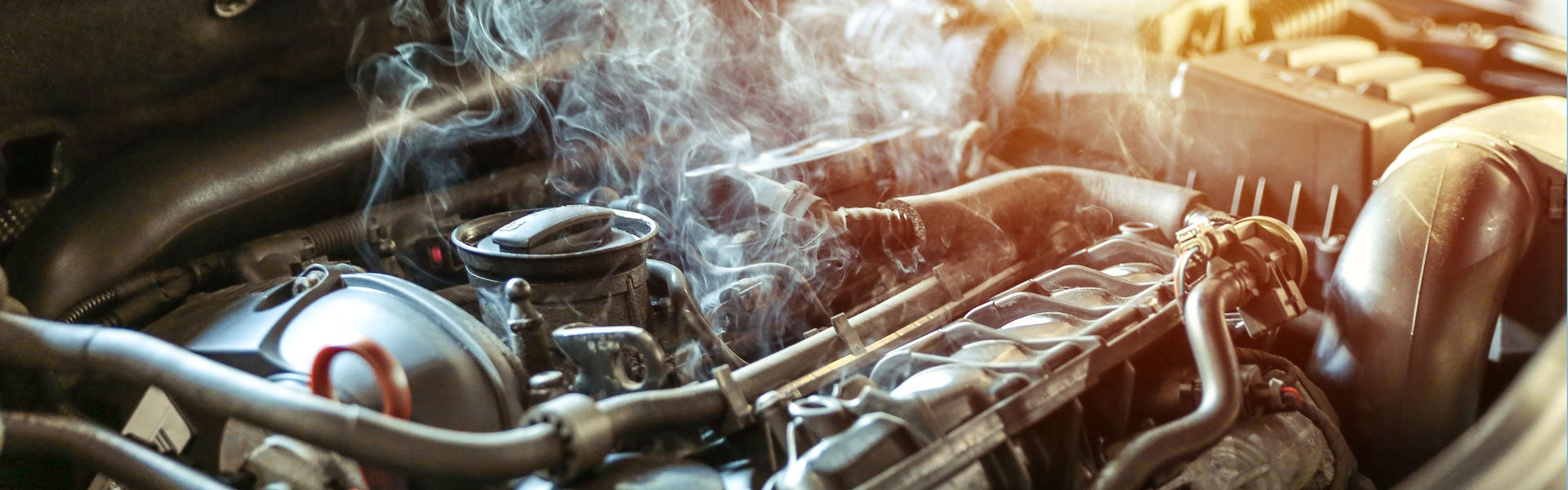
The cooling system is the heart of engine temperature regulation. It maintains optimal operating temperatures through a complex network of parts designed to dissipate excess heat. When this system fails or malfunctions, overheating can quickly follow.
A well-maintained cooling system guarantees that your engine runs smoothly without overheating. Yet, many drivers neglect routine inspections and maintenance, leading to various issues that cause temperature spikes. Understanding the components within this system is vital to comprehend why is my car overheating and how best to prevent it.
The Radiator: The Heat Dissipator
The radiator is often considered the centerpiece of the cooling system, responsible for releasing the heat absorbed by the coolant. It works via a network of thin metal fins that facilitate the transfer of heat from the coolant to the air.
When the radiator becomes clogged or damaged, its ability to dissipate heat diminishes significantly. Over time, debris, dirt, or corrosion can block airflow or reduce the cooling efficiency. This leads to the coolant overheating, which then causes the engine’s temperature to spike. Recognizing radiator issues early can prevent costly repairs and avoid situations where the car becomes unsafe to operate.
Furthermore, the radiator cap plays a crucial role beyond sealing the system; it maintains proper pressure to raise the boiling point of the coolant. If the cap is faulty or leaks, the system loses pressure, risking coolant boiling over orengine overheating. Regular inspection and replacement of the radiator cap are simple yet effective measures to keep your cooling system functioning optimally.
The Thermostat: The Engine’s Temperature Gatekeeper
The thermostat acts as a valve that regulates the flow of coolant between the engine and radiato. When the engine warms up, it opens to allow coolant circulation, ensuring the engine does not overheat. Conversely, it shuts once the optimal temperature is reached, maintaining efficiency.
A malfunctioning thermostat can cause several problems, including why is my car overheating. If the thermostat sticks open, the engine may run too cool, affecting performance. More critically, if it sticks closed, coolant flow is blocked, preventing heat from escaping and causing rapid overheating.
Understanding the thermostat’s role provides insight into potential issues—such as why your car temperature gauge jumps suddenly or stays high. Regular testing and replacement of a faulty thermostat are recommended to ensure smooth coolant flow, especially if your vehicle exhibits inconsistent temperature readings or overheating episodes.
The Water Pump: The Heart of Coolant Circulation
The water pump circulates coolant throughout the engine and radiator, maintaining a consistent temperature. It depends on a belt driven by the engine, making it susceptible to wear and failure over time.
When the water pump malfunctions, coolant flow is impeded, leading to uneven temperature distribution and possible hotspots in the engine. This directly correlates to why is my car overheating. A failing water pump might produce leaks, exhibit noises, or display signs of corrosion, all of which signal the need for urgent repair.
Prolonged operation with a faulty water pump risks severe engine damage like warped cylinder heads or blown head gaskets. Recognizing early signs such as reduced coolant flow or coolant leaks ensures timely intervention, saving money and preventing vehicle breakdowns.
Coolant: The Liquid Shield Against Excess Heat
Coolant, also known as antifreeze, is the vital liquid that absorbs and transfers engine heat to the radiator. The proper level and mixture of coolant are essential in preventing overheating and maintaining engine efficiency.
Engine coolant’s composition and health are often overlooked but are pivotal factors in troubleshooting why is my car overheating. Contaminated or low coolant levels compromise the cooling process, risking engine damage and breakdown. Ensuring coolant is at the proper level and replacing it periodically can dramatically improve heat regulation.
Coolant Quality and Mixture
The effectiveness of coolant depends on its quality and the right mixture of antifreeze and water. Automotive manufacturers recommend a specific ratio— usually 50:50— to ensure optimal protection across temperature ranges.
Using the wrong type of coolant or neglecting to replace it can lead to corrosion within the cooling system. Corrosion may block passages or damage components, reducing cooling efficiency. Moreover, contaminated coolant can contain debris that hampers heat transfer, again leading to overheating episodes.
A proactive approach involves regular checks and fluid exchanges based on your vehicle’s manual. Using the recommended coolant type and maintaining the correct mixture ensures that the cooling system operates at peak performance and minimizes why is my car overheating incidents caused by poor coolant conditions.
Detecting Coolant Leaks and Levels
Leaks are one of the most common and insidious causes of coolant loss. Even small leaks can lead to significant coolant depletion over time, making it challenging to maintain consistent engine temperatures.
Inspecting coolant levels in the reservoir regularly is a simple yet effective way to monitor system health. Sudden drops in coolant levels or visible leaks from hoses, radiator, or water pump indicate problems that need immediate attention. If leaks are ignored, they can cause why is my car overheating due to insufficient coolant for heat dissipation.
Identifying leaks early avoids engine damage and extends the lifespan of the cooling system. Using dye or UV light to locate hidden leaks can be particularly effective. Filling and topping off coolant is a temporary fix, but correcting leaks permanently requires professional inspection and repairs to ensure your vehicle remains cool and safe.
Common Causes of Overheating Beyond the Cooling System
While the cooling system is the primary suspect in overheating issues, several other factors contribute to this problem beyond the obvious mechanical failures. Recognizing these specific triggers helps in diagnosing why is my car overheating and lays the groundwork for effective solutions.
Low Oil Levels and Poor Lubrication
Engine oil is crucial for reducing friction, lubricating moving parts, and dissipating heat. When oil levels drop or the oil becomes degraded, the engine experiences increased friction and heat buildup, often leading to overheating.
Many drivers overlook routine oil changes, which can turn a simple issue into a critical one. Without proper lubrication, the engine operates inefficiently, and heat cannot be dissipated effectively. This increases the risk of engine parts overheating and warping, ultimately causing severe damage.
Regular oil checks, filter changes, and using the recommended grade of oil help prevent overheating related to lubrication issues. Maintaining optimal oil health ensures the engine remains cool and functions smoothly over time, reinforcing the importance of preventative maintenance.
Blockages and Debris in Cooling Pathways
Over time, debris, dirt, or corrosion can obstruct air flow or clog coolant passages within the radiator, hoses, or the engine block. Such blockages impair the heat transfer process and are often overlooked as a root cause of why is my car overheating.
Environmental factors play a role; driving in dusty conditions or leaving debris around the radiator grille can cause build-up. Failure to clear these obstructions results in reduced cooling efficiency, leading to temperature spikes during operation.
Performing regular inspections and cleaning of the radiator and cooling pathways is essential. A thorough cleaning can restore good airflow and coolant flow, preventing overheating episodes. Additionally, checking for internal blockages or corrosion signals potential corrosion issues requiring professional attention.
Fan Failures and Electrical Problems
Electric or mechanical cooling fans help draw air through the radiator to help dissipate heat. Any failure here can compromise the cooling process, especially at lower speeds or idling where airflow depends heavily on the fan.
Faulty sensors, relays, or motors can cause fans to malfunction silently, leading to why is my car overheating during idle or stop-and-go traffic. Electrical issues often manifest as circuitry or fuse failures, which require diagnostic testing to identify.
Ensuring the fans are operational is straightforward: listen for their activation, visually inspect for movement, and replace defective units. Proper electrical maintenance, including checking relays, wiring, and sensor signals, ensures continuous cooling support. Timely correction of fan or electrical problems prevents overheating and keeps the engine temperature in check.
Conclusion
Understanding why is my car overheating involves exploring the myriad components and factors that contribute to efficient engine cooling. The cooling system, coolant properties, oil lubrication, and electrical components all play vital roles in keeping your engine operating within safe temperature ranges. Regular maintenance, prompt inspections, and awareness of early warning signs are crucial in preventing overheating episodes that can cause extensive engine damage. When overheating occurs, diagnosing the root cause swiftly—whether it’s a faulty radiator, thermostat, or other issues—allows for targeted repairs that save money and ensure your vehicle’s safety and longevity. By staying vigilant and proactive, drivers can enjoy a smooth, cool ride, no matter the conditions on the road.