
South Korea and america brokered a last-minute tariffs deal on Wednesday, meaning the value of vehicles out of your favorite Korean producers like Hyundai and Kia is not going to explode bigger, though there’ll potential nonetheless be some will improve. Very just like the deal signed with Europe and one different with Japan earlier in July, the latest settlement lowers the auto tariff on vehicles and parts in-built South Korea to fifteen%, down from the 25% that could be in affect after the August 1 “Liberation Day” deadline – when reciprocal tariffs have been scheduled to be launched.
The pace is doubtless one of many lowest beneath President Donald Trump’s new tariff regime, no matter South Korea having one among many biggest commerce surpluses with the US amongst shopping for and promoting companions. In response to Reuters, the surplus remaining 12 months was a file $55.7 billion, up 25.4% year-on-year. Earlier to the deal, South Korea and the US had a free commerce settlement in place, and many US merchandise being exported to South Korea will stick with out tariffs beneath the model new deal, along with vehicles and agricultural merchandise.
Deal Will Help American Automakers Too
Together with the duty-free entry for US exports to South Korea, the deal could be a boon for American automakers that import merchandise from South Korea, like Widespread Motors, whose Chevrolet Trax and Buick Envista are constructed throughout the nation. Polestar may be geared to begin out developing its Polestar 4 in South Korea later this 12 months for export to the US. The Polestar 4 was initially ensuing from be imported from China, nevertheless Polestar made preparations to assemble {the electrical} compact crossover in South Korea after the sooner Biden administration launched tariffs on Chinese language language-made EVs.
South Korea could be a critical exporter of important vehicle parts utilized by producers throughout the US, significantly throughout the areas of laptop chips, digital instruments, batteries for electrical autos, and metallic.
As part of the deal, South Korea agreed to invest $350 billion throughout the US in initiatives to be chosen by the Trump administration, with the administration already confirming nearly all of the funding will go in the direction of a shipbuilding partnership. South Korea moreover agreed to purchase $100 billion in vitality merchandise from the US. Full particulars of the deal haven’t been launched, and it’s not clear how a number of the investments and vitality purchases have been already in place earlier to the deal.
Automakers Nonetheless Face Major Headwinds
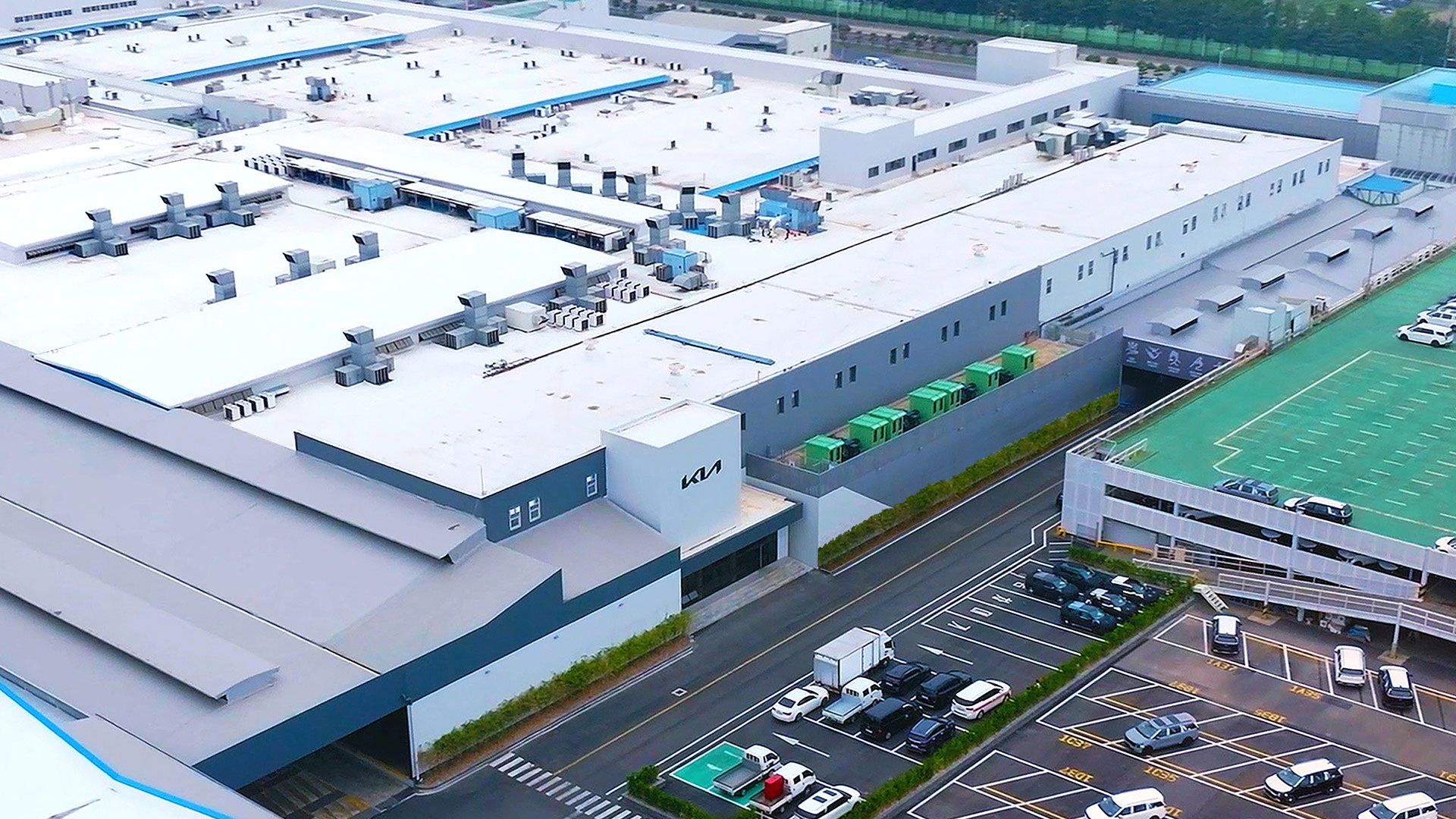
Even with the tariff deal in place, Hyundai and Kia would possibly nonetheless face as lots as $5 billion in further costs this 12 months, based mostly on Bloomberg. That financial hit would possibly translate into bigger sticker prices for US prospects, at a time when demand is slowing in South Korea and rivals from Chinese language language firms is intensifying.
To offset the affect of tariffs, Korean automakers are anticipated to ramp up US manufacturing and redirect further exports to completely different markets. Hyundai, as an illustration, launched in March a file $21 billion funding plan throughout the US by means of 2028 – larger than its full US funding since launching operations in 1986. That enlargement consists of boosting EV and battery manufacturing in Alabama and Georgia.
Within the meantime, US automakers keep in a troublesome place. They import roughly half of the autos they promote domestically, along with a giant share of parts, a number of it from nations that haven’t secured tariff provides, along with Canada, China, and Mexico. With no exemptions in place, these imports face steep duties starting 1 August, putting extra pressure on prices, present chains, and margins.
Sources: Reuters, Bloomberg