
Is your car marred by unsightly scratches and surface marks? No need to despair. Learning how to fix car scratches can save you money and help maintain your vehicle’s pristine appearance. Whether minor surface scuffs or deeper gouges, understanding your options empowers you to act confidently and restore your car’s beauty with ease. This comprehensive guide covers various methods, materials, and expert tips to tackle scratches effectively, ensuring your car looks as good as new.
Understanding Different Types of Car Scratches and Their Causes
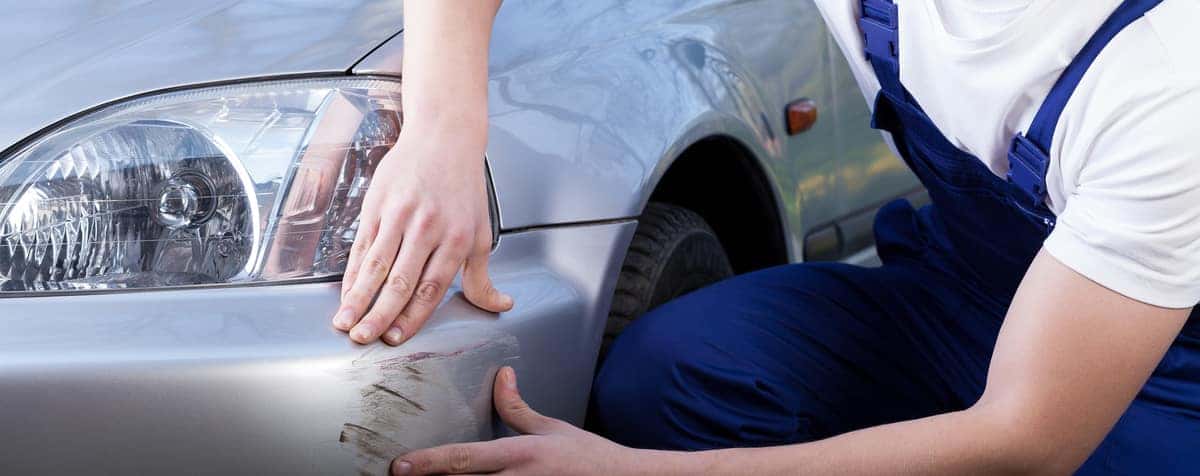
Before diving into fixing techniques, it’s crucial to identify the type of scratch affecting your vehicle. Knowing the nature of the scratch helps determine the most suitable repair method. Scratches vary in depth, length, and severity, and each requires a different approach for proper repair.
Superficial Surface Scratches – The Lightest Marks
Superficial or clear coat scratches are the most common and easiest to fix. They usually appear as faint lines or swirl marks on the topmost layer of your car’s paint. These occur from washing, drying, or minor abrasions with soft objects.
The key to how to fix car scratches with these minor imperfections lies in using the right polishing techniques. Because the damage is limited to the clear coat, you can often buff out these scratches without repainting.
For effective repair, start with a thorough wash to remove dirt and debris. Use a clay bar if necessary to eliminate embedded contaminants. Afterward, applying a fine polish with a microfiber cloth can diminish these superficial marks considerably. Remember, patience and gentle pressure are essential to avoid making the scratches deeper.
Depth Matters: Medium-Sized Scratches – More Than Skin Deep
Medium scratches penetrate the clear coat and may slightly reach the color paint layer. These marks are typically caused by minor impacts, keys, or vandalism. If not addressed promptly, they can worsen over time and lead to rust or more extensive damage.
In how to fix car scratches involving mid-depth marks, the process becomes a bit more involved. You might need to use sanding or rubbing compounds to smooth out the rough edges of the scratch, followed by polishing and a light coat of touch-up paint. The goal is to blend the scratch seamlessly into the surrounding paint.
When repairing medium scratches, always test your materials on an inconspicuous area first. Proceed carefully, gradually removing the scratch instead of trying to eradicate it all at once. If the damage extends beyond the clear coat, professional repainting may be necessary for a perfect finish.
Deep Scratches and Gouges – When the Paint Is Breached
Deep scratches are the most challenging to fix because they often reach the primer or metal, risking rust if untreated. These are usually caused by accidents, sharp objects, or vandalism, and can be substantial in length or depth.
In cases of deep scratches, how to fix car scratches involves a multi-step process, including sanding, filling, priming, repainting, and clear coating. This process requires patience and some skills, but it can restore your car’s look significantly when done correctly.
To repair, start by cleaning the area and removing loose paint or debris. Sand the scratch carefully with fine-grit sandpaper to create a smooth surface. Apply a suitable filler or touch-up paint, then sand again for seamless blending. Finish with a clear coat to protect the repair and restore gloss. In severe cases, consulting a professional body shop may be advisable to achieve a flawless result.
Essential Tools and Materials for DIY Car Scratch Repairs
Achieving a professional look at home requires the right tools and materials. Having everything prepared can dramatically improve your success rate when learning how to fix car scratches.
Basic Tools for Scratch Repair
A variety of tools are necessary for performing scratch repairs effectively. These include:
- Microfiber cloths for gentle cleaning and polishing
- Fine abrasive pads or sandpaper (e.g., 2000 grit for very smooth finishing)
- Polishing compounds and rubbing agents
- Touch-up paint matching your vehicle color
- Clear coat spray or touch-up kits
- Masking tape to protect surrounding areas
- A dual-action polisher for larger areas
Investing in quality tools saves you time and ensures better results. For instance, a dual-action polisher helps evenly distribute polishing compound and reduces the risk of uneven scratches or burn marks.
Materials and Products for Effective Repairs
Choosing the right materials is crucial. You need products that are compatible with your car’s paint and clear coat. Some of the most effective options include:
| Material | Purpose | Notes |
|---|---|---|
| Dual-action polisher | Buffing and polishing | Ideal for larger areas without damaging the paint |
| Fine sandpaper (2000 grit) | Smoothing out deeper scratches | Use carefully to avoid thinning paint |
| Color-matched touch-up paint | Covering deeper scratches | Ensure accurate color matching |
| Rubbing and polishing compounds | Restoring shine and removing minor scratches | Apply gently for best results |
| Clear coat spray | Sealing and protecting repaired areas | Use in thin, uniform layers |
Having these products ready helps streamline the repair process, allowing precise application and better treatment of damaged areas.
Recommended Step-by-Step Repair Kit
For beginners or DIY enthusiasts, purchasing a comprehensive scratch repair kit can simplify the process. These kits often include:
- Color-matched paint pen or spray
- Sandpaper and polishing pads
- Clear coat overlay
- Instructions tailored to various scratch depths
Using a pre-packaged kit mitigates errors and provides all necessary components in one package, making how to fix car scratches more accessible even for those new to car repairs.
Step-by-Step Process for Repairing Different Types of Scratches
Successfully repairing scratches involves understanding the entire process, from initial cleaning to final polishing. Here, we’ll break down effective methods suited for different damage intensities, emphasizing techniques and safety measures.
Preparing Your Vehicle for Repair
Regardless of scratch severity, preparation is key. First, thoroughly wash the vehicle to eliminate dirt, grease, and grime. Use a quality automotive soap and microfiber cloths to prevent introducing new scratches during cleaning.
Next, dry the car completely, preferably with a microfiber towel that absorbs water gently. Inspect the affected area carefully to assess the extent of damage. This step allows you to plan whether you need simple polishing or more intensive repainting.
Mask off areas surrounding the scratch with painter’s tape if necessary to prevent accidental polishing or overspray. This also ensures a neat finish, especially when working with touch-up paints or sprays.
Repairing Superficial Scratches – Polishing and Buffing
For light surface scratches, polishing is the most effective method. Start by applying a small amount of polish or rubbing compound on a microfiber cloth or polishing pad.
Use circular motions to work the compound into the scratch, applying moderate pressure. Allow the polish to sit for a few moments before buffing lightly. Repeat until the scratch becomes less visible or disappears entirely.
Finish by applying a wax or sealant to protect the polished area and restore the shine. Regular maintenance like waxing can prevent new scratches and enhance the overall appearance.
Tackling Medium and Deep Scratches – Sanding, Filling, and Repainting
Medium scratches require more detailed work. Begin by gently sanding with fine-grit sandpaper, moving slowly to avoid removing too much paint. Sand until the edges of the scratch are smooth and flush with surrounding areas.
Apply a primer if the scratch has penetrated the paint layer. Once the primer dries, carefully paint over the area with a matching color. Use masking tape to define the repair zone for cleaner results. Allow sufficient drying time.
After the paint has cured, sand lightly to blend the repair into the original surface. Finish with a clear coat to protect the new paint and restore gloss. Final polishing ensures a seamless blend with the rest of the vehicle.
When to Seek Professional Help for Severe Damage
While DIY methods work well for minor to medium scratches, deep gouges or extensive damages might be best addressed by professionals. If the scratch is deeper than 2mm or covers a significant area, professional repairs ensure the best outcome.
Automotive body shops have specialized tools and techniques to match paint, ensure durability, and avoid further damage. Sometimes, attempting large repairs oneself can compromise the vehicle’s paint integrity or leave visible imperfections.
Tips for Preventing Car Scratches and Maintaining a Pristine Finish
Prevention is always better than cure. The more you care for your vehicle, the less you’ll need to resort to how to fix car scratches. Here are practical tips to keep your car’s surface flawless.
Proper Washing and Drying Techniques
Using the right washing tools prevents new scratches. Always opt for two-bucket washing methods: one for soap, another for rinsing your sponge or mitt. This avoids transferring dirt onto the vehicle’s surface.
Use a soft microfiber or lambswool wash mitt to gently lift dirt without abrasion. Rinse frequently and avoid washing in direct sunlight to prevent soap and dirt from drying onto the paint.
When drying, use a clean, soft microfiber towel or drying chamois. Pat dry instead of rubbing to prevent surface marring. Regularly inspecting and cleaning your soft tools also helps maintain their gentle quality.
Protective Measures: Wax, Sealant, and Paint Protectors
Applying a coat of wax or paint sealant forms a protective barrier against environmental elements and minor scratches. Waxing your vehicle every 3-4 months enhances shine and reduces the risk of scratches caused by dirt and debris.
Consider applying paint protection films or ceramic coatings for long-term safeguarding. These layers provide ultra-hard barriers that resist scratches and chemical damage, offering peace of mind for daily drivers.
Parking and Handling Tips to Avoid Scratches
Be attentive when parking to avoid contact with shopping carts, door dings, or other vehicles. Use parking sensors or cameras if available, especially in tight spots. Avoid parking near bushes, trees, or places where debris can fall onto your car.
When washing or cleaning, avoid rough brushes or abrasive pads. Treat your car gently, and always handle tools with care. Educate family members or anyone else who uses your vehicle about scratch prevention techniques.
Video
FAQ’s
1. What are the common types of car scratches?
Common types include clear coat scratches, paint scratches, and deep scratches that reach the primer or metal surface.
2. How can I tell how deep a scratch is?
If your fingernail catches in the scratch, it is likely deep. If not, it is usually a surface-level clear coat scratch.
3. Can I fix car scratches at home?
Yes, many minor scratches can be repaired at home using simple tools like scratch removers, polishing compounds, or touch-up paint.
4. What tools do I need to fix car scratches?
You may need microfiber cloths, polishing compound, sandpaper, scratch remover, and touch-up paint.
5. Does toothpaste really remove scratches?
Toothpaste can help reduce very light scratches due to its mild abrasive properties, but it is not a permanent solution.
6. How do I fix light surface scratches?
Clean the area, apply a scratch remover or polish, and buff it with a microfiber cloth until the scratch fades.
7. What is a scratch remover?
A scratch remover is a product designed to smooth out minor scratches by leveling the clear coat.
8. Can waxing remove scratches?
Waxing can temporarily hide very fine scratches but does not remove them permanently.
9. How do I fix deeper paint scratches?
You can use touch-up paint that matches your car’s color, followed by polishing and sealing.
10. What is touch-up paint?
Touch-up paint is a small bottle of paint that matches your vehicle’s color and is used to repair chips and scratches.
11. How do I find my car’s paint code?
The paint code is usually located on a sticker inside the driver’s door or under the hood.
12. Should I sand the scratch before fixing it?
Light sanding may be required for deeper scratches to smooth the edges before applying paint.
13. What grit sandpaper should I use?
Use fine-grit sandpaper such as 2000–3000 grit for automotive scratch repair.
14. Can I fix scratches without sanding?
Yes, minor scratches can often be fixed without sanding using polishing compounds.
15. How long does it take to fix a scratch?
Minor scratches can be fixed in 10–30 minutes, while deeper repairs may take a few hours.
16. Is it expensive to fix scratches professionally?
Costs vary depending on severity, but professional repairs can range from $50 to several hundred dollars.
17. When should I go to a professional?
If the scratch is deep, large, or exposes metal, it’s best to consult a professional.
18. Can scratches cause rust?
Yes, deep scratches that expose bare metal can lead to rust if not repaired.
19. How do I prevent rust after a scratch?
Apply primer and touch-up paint promptly to protect exposed metal.
20. What is a clear coat?
The clear coat is a transparent protective layer applied over the paint.
21. Can clear coat scratches be repaired easily?
Yes, they are the easiest type of scratches to fix using polish or scratch remover.
22. Will polishing damage my car paint?
When done properly with the right products, polishing is safe and improves the finish.
23. How often can I polish my car?
Polishing should be done sparingly, typically once or twice a year.
24. Can I use a machine polisher?
Yes, but it requires skill. Beginners should start with hand polishing to avoid damage.
25. What is a rubbing compound?
A rubbing compound is a more abrasive product used to remove deeper scratches.
26. Is rubbing compound safe?
It is safe when used correctly but can damage paint if overused.
27. Can car scratches be completely removed?
Many scratches can be fully removed, but deep ones may only be reduced in visibility.
28. What is wet sanding?
Wet sanding uses water and fine sandpaper to smooth out imperfections in the paint.
29. Should I wax after fixing scratches?
Yes, waxing helps protect the repaired area and restores shine.
30. Can sunlight affect scratch repair?
Yes, it’s best to work in a shaded area to prevent products from drying too quickly.
31. How do I clean the area before repair?
Wash with car shampoo and dry thoroughly before starting any repair.
32. Can dirt worsen scratches?
Yes, dirt particles can cause additional damage when rubbing or polishing.
33. Are scratch repair kits effective?
Yes, many kits are designed for DIY users and can provide good results.
34. What is included in a scratch repair kit?
Typically includes compounds, applicators, microfiber cloths, and sometimes touch-up paint.
35. Can I fix scratches on plastic bumpers?
Yes, but you may need specific products designed for plastic surfaces.
36. How do I fix key scratches?
Use sanding, touch-up paint, and polishing depending on the depth of the scratch.
37. Can I use nail polish for scratches?
It is not recommended as it may not match color or durability.
38. Will insurance cover scratch repair?
It depends on your policy and the cause of the damage.
39. How can I avoid scratching my car?
Park carefully, avoid tight spaces, and use protective coatings.
40. Does ceramic coating prevent scratches?
It provides some resistance but does not make the car scratch-proof.
41. Can automatic car washes cause scratches?
Yes, especially those with harsh brushes.
42. Are microfiber cloths important?
Yes, they reduce the risk of adding new scratches during cleaning.
43. Can scratches affect resale value?
Yes, visible damage can lower your car’s resale value.
44. How do professionals fix scratches?
They use advanced tools, paint matching, and refinishing techniques.
45. What is paint correction?
Paint correction is a process of removing imperfections to restore a car’s finish.
46. Can I fix scratches on glass?
Glass scratches require specialized products and may not be fully repairable.
47. Is it safe to use DIY methods?
Yes, as long as you follow instructions and use proper materials.
48. Can heat help remove scratches?
Heat can sometimes reduce minor scratches in plastic but should be used cautiously.
49. What mistakes should I avoid?
Avoid using rough materials, skipping cleaning, or applying too much pressure.
50. How do I maintain my car after repair?
Regular washing, waxing, and careful handling will keep your car looking good.
51. Can scratches come back after repair?
If not properly fixed, they may reappear over time.
52. What is the best product for beginners?
A simple scratch remover kit with clear instructions is ideal for beginners.
Conclusion
Understanding how to fix car scratches involves recognizing the type of damage, gathering the appropriate tools and materials, and executing a meticulous repair process. Superficial scratches often respond well to polishing and buffing, while medium to deep scratches may require sanding, filling, and repainting. Proper prep, patience, and attention to detail ensure a seamless repair that restores your vehicle’s aesthetic appeal. Prevention through regular maintenance, careful handling, and protective measures is equally vital, preserving your car’s showroom shine for years to come. Whether you’re tackling minor swirl marks or more serious damage, mastering these techniques will empower you to keep your vehicle looking its best, saving money and adding pride to your ownership experience.