
Naran Automotive first came onto the scene in 2017, promising a fresh take on the supercar market. The company revealed the design for its ambitious Hyper Coupe in 2020, turning heads with its sharp lines and aggressive proportions. Originally, the car was slated to launch in 2022, but that timeline slipped, leaving enthusiasts waiting.
Despite the delays, Naran hasn’t gone quiet. Last year, the company staged what could be considered a second unveiling, giving fans another glimpse at the car and signaling that the project is very much alive. On top of that, Naran recently bolstered its team with a couple of seasoned automotive veterans, suggesting that serious steps are being taken to bring the Hyper Coupe to market.
As of now, the car still doesn’t have a set production date, but Naran has shared a new release window that feels plausible. The Hyper Coupe may still be a little way off, but the momentum seems to be building, and it’s clear Naran is determined to see this ambitious supercar across the finish line
Naran Is Bringing On Experienced People
Naran Automotive has made another bold move this year, bringing in industry veteran Ollie Evans as its new Managing Director. Evans comes with an impressive resume, having previously led Jaguar Land Rover’s Special Commissions Program and served as Commercial and Finance Director at Callum Designs. He’s not the only big-name addition, either—Giles Clayton-Jones joined in April as Naran’s Director of Sales and Marketing, bringing experience from Rolls-Royce and McLaren to the table.
The company isn’t slowing down. Naran has indicated that more key hires are planned early next year, signaling a serious push to build the executive team needed to take the Hyper Coupe from concept to production. With Evans and Clayton-Jones onboard, it’s clear that Naran is assembling the expertise to match its ambitious supercar ambitions.
Deliveries Are Coming Soon
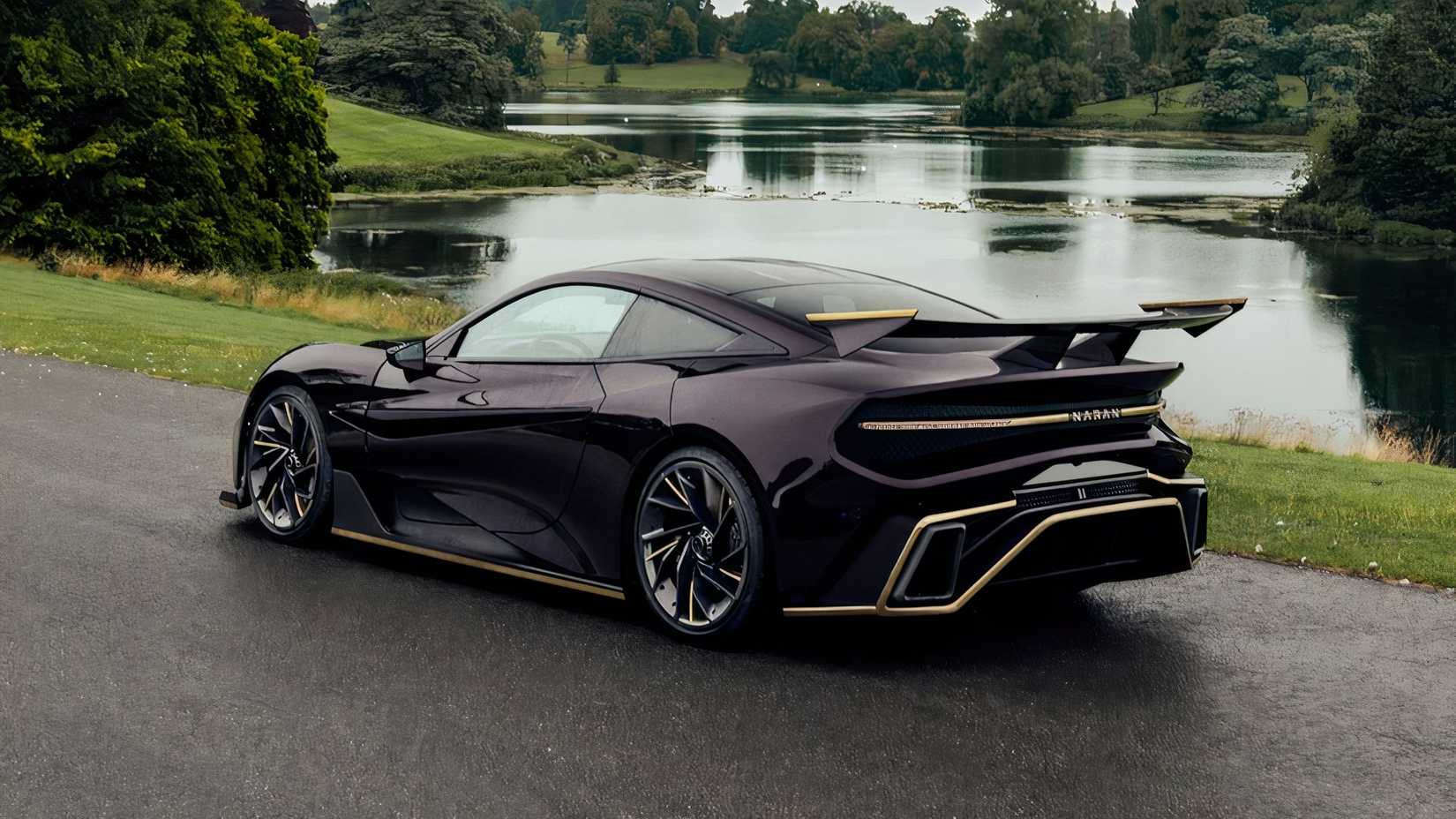
After several years of development and a more detailed reveal last year, Naran Automotive has finally provided a new launch window for its Hyper Coupe. Deliveries are expected to begin in 2027, which seems realistic given the small-scale production. Naran hasn’t committed to sending all 39 planned cars to customers that year, but the limited run ensures that each Hyper Coupe will be highly exclusive. Owners will also have the chance to extensively personalize their vehicles—even naming them—making each example uniquely their own.
The Pricey BMW-Based Hyper Coupe Promises Immense Performance
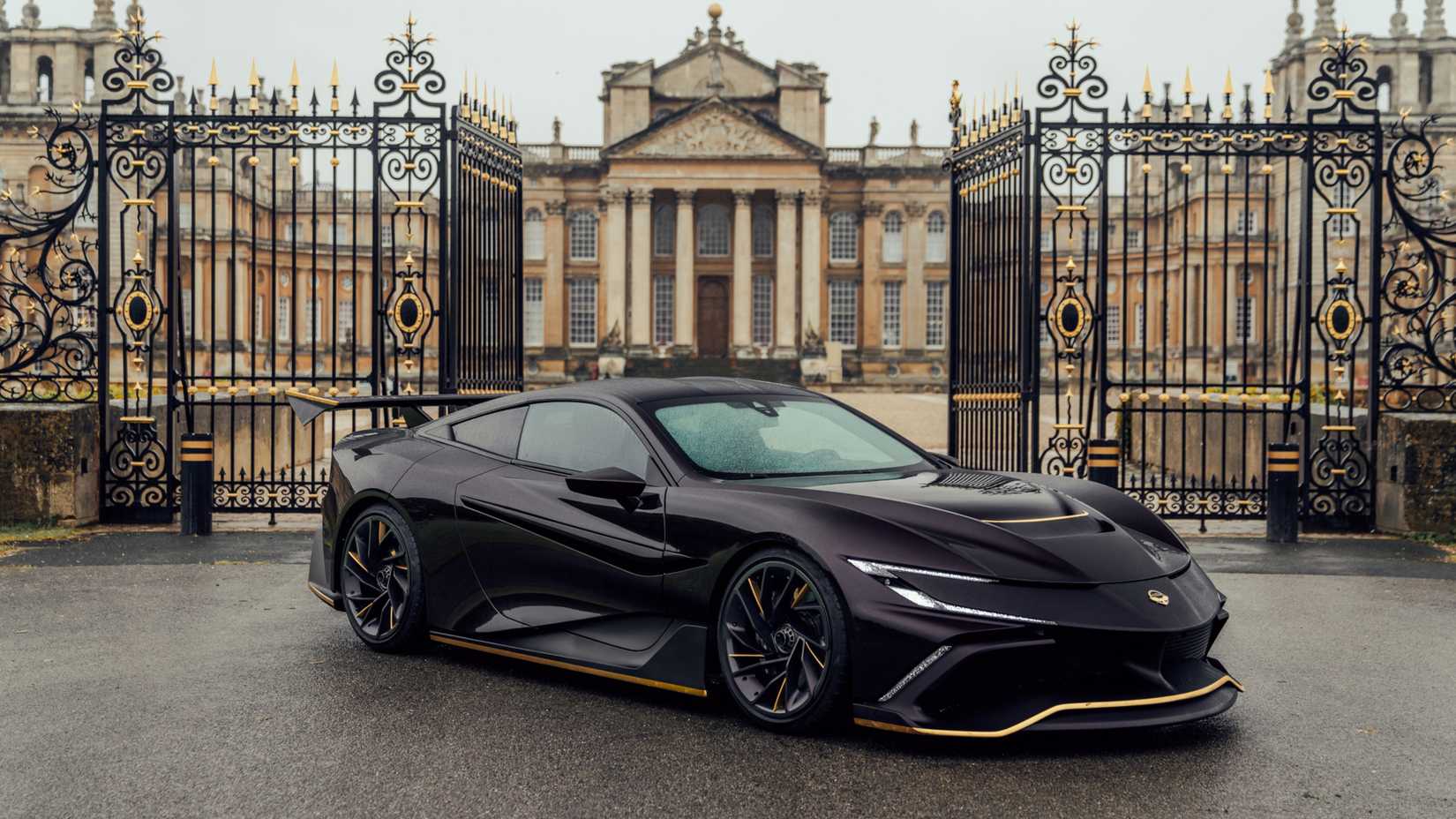
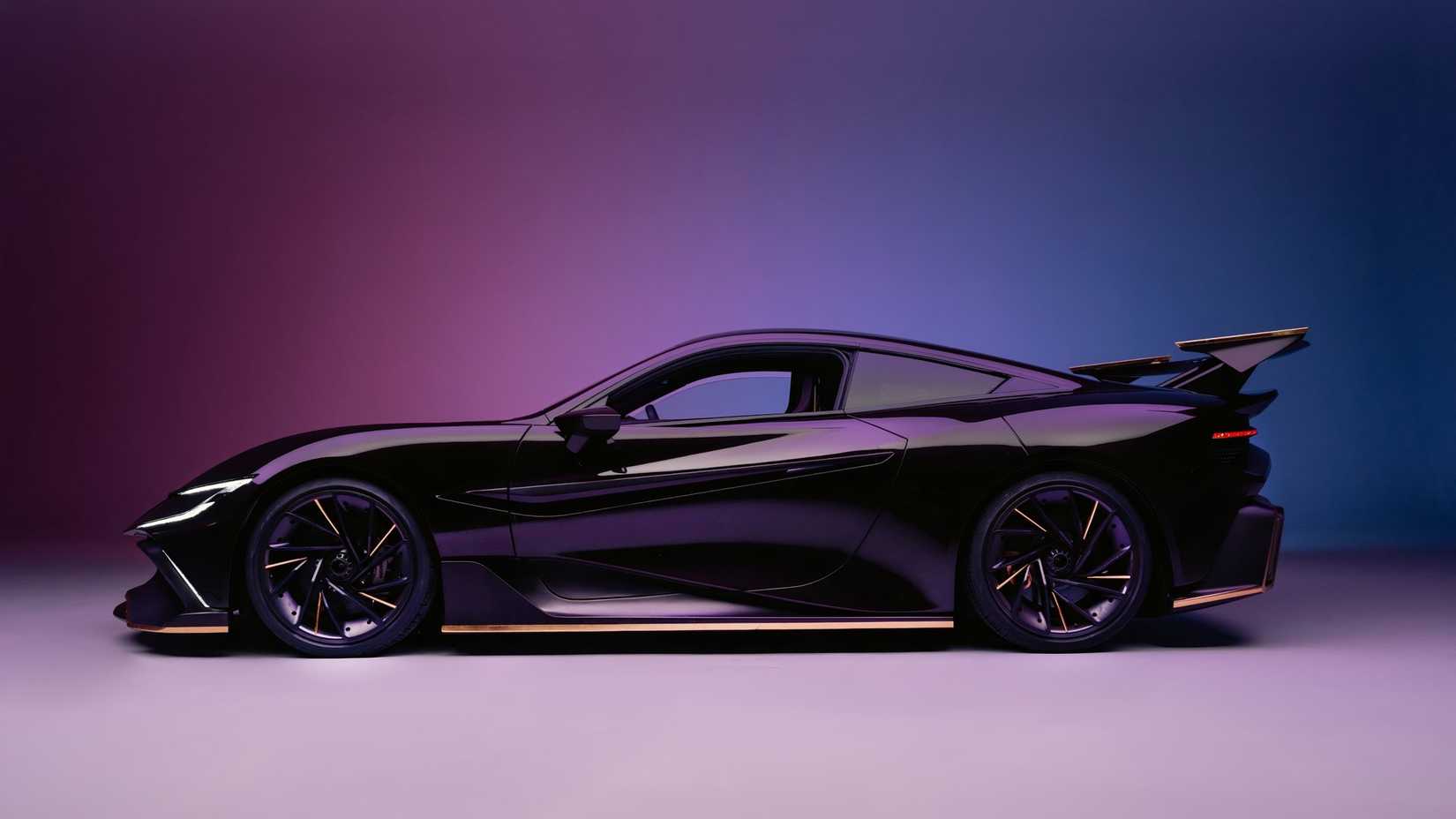
With a new supercar company seemingly launching every other week, it’s easy to lose track of which hypercar is which. To refresh your memory, here’s what we know about the Naran Hyper Coupe. Unlike some startups attempting to build a completely new chassis from scratch, Naran is basing the car on a proven platform: the BMW M8. In fact, if you cover the heavily revised bodywork, you can make out the M8’s greenhouse underneath.
The Hyper Coupe also leverages an upgraded version of the M8 powertrain. Displacement has been increased from 4.4 liters to 5.0 liters, paired with larger turbos, producing a staggering 1,048 horsepower and 764 lb-ft of torque. Naran claims a 0-60 mph sprint in just 2.3 seconds, with a top speed of 230 mph. The company is also aiming to set a Nürburgring lap record for four-seat vehicles, with optional aerodynamic upgrades generating up to 3,000 pounds of downforce.
Naturally, exclusivity comes at a price. Last year, Naran indicated a base price of roughly $2.5 million, though the final cost will vary depending on customization. Deposits are substantial as well—€350,000 (over $400,000) to secure a slot. For those with the means and ambition, Naran is still accepting orders, ensuring that a small number of hyper-luxury clients can claim one of the 39 planned Hyper Coupes.
FAQ’s
1. What is the BMW hypercar that isn’t really a BMW?
It’s a high-performance hypercar developed in collaboration with BMW but manufactured by a specialized partner, meaning it carries BMW DNA but isn’t built in a traditional BMW factory.
2. Who is actually building this hypercar?
The car is being built by a boutique hypercar manufacturer, often with BMW providing engineering and powertrain support rather than full production.
3. When is production expected to begin?
Production is expected to start within the next year, with limited numbers planned due to its hypercar nature.
4. What is the estimated price of the hypercar?
Prices are expected to be in the $1.5–$2 million range, depending on customization and options.
5. Is it a fully electric hypercar or hybrid?
It is expected to be a hybrid hypercar, combining a high-performance combustion engine with electric motors for maximum acceleration and efficiency.
6. What kind of engine or powertrain does it have?
It uses a twin-turbo V8 or V10 paired with electric motors, producing immense combined output.
7. How much horsepower is expected?
The hypercar is expected to produce over 1,000 horsepower, putting it in the top tier of hypercar performance.
8. What is the 0-60 mph acceleration time?
Estimates suggest it will achieve 0–60 mph in under 3 seconds, making it extremely fast off the line.
9. What is the top speed of this hypercar?
Top speed is projected to exceed 210–220 mph, depending on aerodynamics and track conditions.
10. How many units will be produced?
Production will be extremely limited, likely fewer than 100 units worldwide to maintain exclusivity.
11. Will it be street legal or track-only?
It is designed to be street-legal, though it will perform exceptionally well on the track.
12. What makes this hypercar different from a typical BMW?
Unlike standard BMW models, this hypercar focuses entirely on extreme performance, lightweight materials, and limited production, making it a niche supercar rather than a daily driver.
13. Who designed the hypercar?
It was designed by a specialized team in collaboration with BMW’s design department, emphasizing aerodynamic efficiency and driver-focused ergonomics.
14. What materials are used for the chassis and body?
Expect carbon fiber, aluminum alloys, and lightweight composites for both strength and weight reduction.
15. Does it feature any advanced aerodynamics?
Yes, the hypercar uses active aerodynamics, diffusers, and spoilers to improve downforce and high-speed stability.
16. What kind of suspension does it have?
It uses adaptive, track-focused suspension that adjusts to driving conditions for both comfort and performance.
17. How is the car expected to handle at high speeds?
With its low weight, active aero, and all-wheel drive, it should handle corners with exceptional grip and stability.
18. Will it have all-wheel drive?
Yes, an all-wheel-drive system is expected, likely powered by both the combustion engine and electric motors.
19. Are there any unique interior features?
The interior will likely include digital displays, lightweight racing seats, and luxury materials, blending BMW style with hypercar functionality.
20. Will it feature the latest BMW iDrive or infotainment system?
It will have a customized, driver-focused interface, probably simpler than standard iDrive to prioritize performance data.
21. How much does the hypercar weigh?
Weight is expected to be around 3,000–3,300 lbs, very light for its power class due to extensive use of carbon fiber and lightweight materials.
22. What is the expected range if it is an electric or hybrid car?
The electric component is likely limited to short bursts for acceleration, with most driving relying on the combustion engine; range on electric alone may be 10–20 miles.
23. Are there any known competitors in the hypercar segment?
Competitors include McLaren Speedtail, Ferrari SF90 Stradale, and Porsche 918 Spyder, all ultra-high-performance hybrid hypercars.
24. How is BMW involved in this project if it isn’t really a BMW?
BMW provides engineering, powertrain, and technology support, while the boutique manufacturer handles assembly and final production.
25. Will it carry a BMW badge or another brand logo?
It will likely feature BMW branding subtly, but may carry the hypercar maker’s badge more prominently on the nose and rear.
26. Are there any innovative safety features planned?
Yes, expect advanced traction control, stability management, and hybrid-assisted braking systems designed specifically for high-speed driving.
27. What is the target audience for this hypercar?
The car is aimed at ultra-high-net-worth collectors and enthusiasts seeking exclusivity, performance, and BMW engineering pedigree.
28. Will it be customizable with special paint and options?
Yes, buyers can expect extensive customization options, including bespoke paint, interior finishes, and performance tweaks.
29. How does it compare to other hypercars like McLaren or Ferrari models?
It will compete on power, speed, and technology, offering BMW’s engineering quality while delivering a unique hybrid hypercar experience.
30. Are there any confirmed performance figures yet?
While exact figures aren’t officially confirmed, 1,000+ hp, sub-3-second 0–60 mph, and 210+ mph top speed are widely reported.
31. Will it have a manual transmission option or only automatic/dual-clutch?
It is expected to have a dual-clutch automatic, as manual transmissions are rare in modern hypercars for performance optimization.
32. What is the expected lifespan or durability of this hypercar?
With proper maintenance, the hypercar should last decades, but like all limited-production hypercars, service may be expensive.
33. Will it participate in racing or performance events?
While designed primarily for the road, it may appear in track days or special BMW performance events.
34. How rare will this hypercar be in terms of ownership?
Extremely rare, likely fewer than 100 units worldwide, making it a collector’s item.
35. Can buyers pre-order the hypercar now?
Pre-orders are likely limited and by invitation only, reflecting its exclusive production strategy.
Read more: Another Automaker Abandons EV Plans to Focus on Hybrids