
Again in July, Jeep recalled over 120,000 models of the Grand Cherokee and its long-wheelbase model, the Grand Cherokee L, on account of defective second-row headrests that may not lock in place. This time, nevertheless, the nameplate is once more a part of a current recall however for a distinct problem. A complete of 91,787 models of the Grand Cherokee 4xe are being recalled on account of a severe security problem – there is a threat of them dropping propulsion and stalling unexpectedly.
Based on paperwork printed by the Nationwide Freeway Site visitors Security Administration (NHTSA), the difficulty is endemic to plug-in variants of the Jeep SUV, which was launched in 2021. That is as a result of the issue is with its Hybrid Management Processor (HCP). The doc explains that when the Battery Pack Management Module (BPCM) microprocessor turns into overloaded, it would set off a reset. This reset can then be misinterpreted by the HCP, which might result in a lack of propulsion.
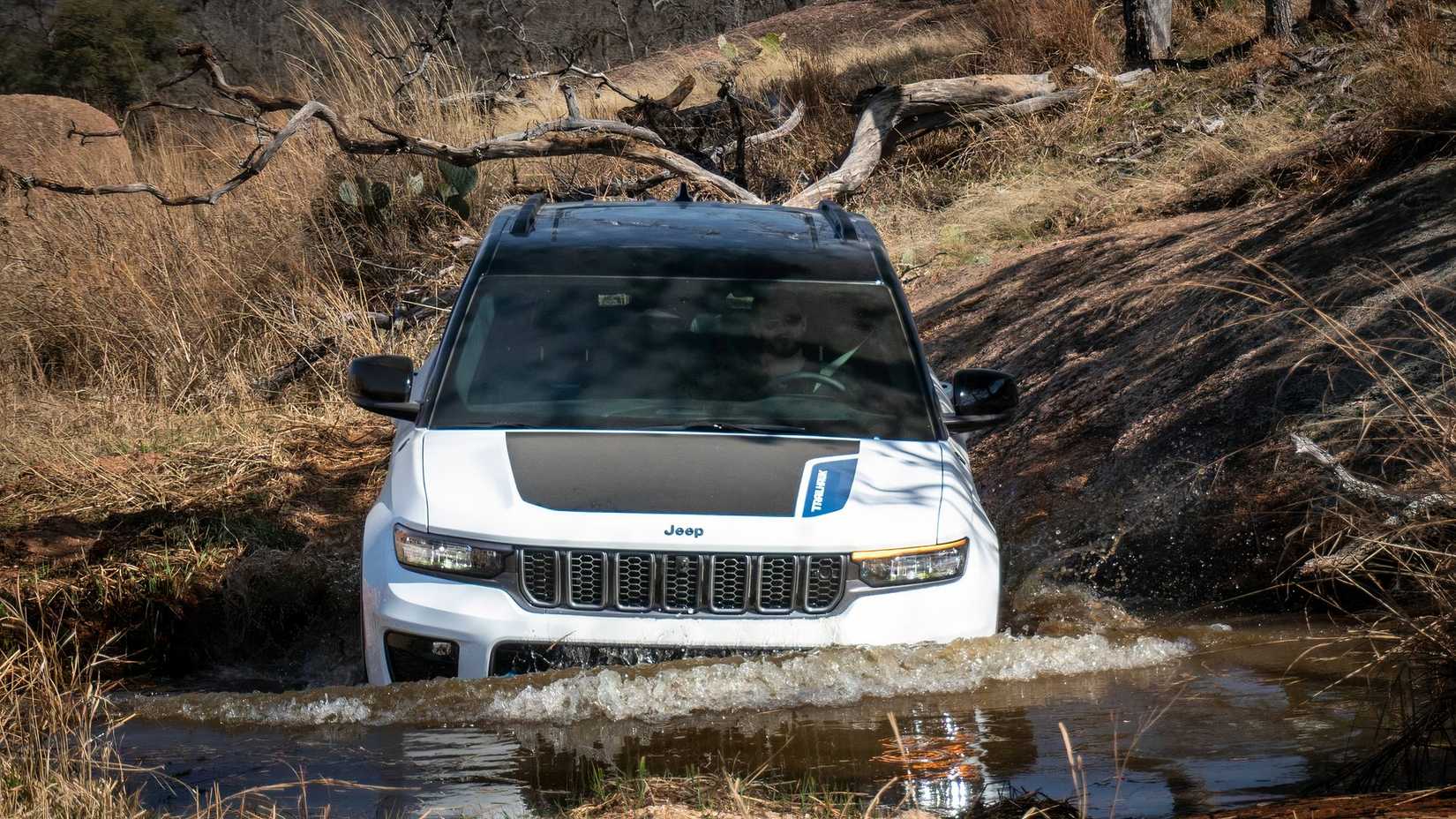
Solely Plug-In Grand Cherokees Are Affected
For sure, lack of propulsion – a problem discovered on each electrified and pure combustion fashions, whatever the model – can result in crashes and pose a severe threat to different highway customers, particularly when touring at pace or on an off-road escapade. Sadly, it might occur with out warning. Based on the recall doc, printed only a few days in the past on September 4, the affected models are from the 2022-2026 mannequin years of the Grand Cherokee 4xe, produced between July 23, 2021, and August 29, 2025. Models produced exterior these dates have already been rectified.
Stellantis has been conscious of the difficulty since Might of this yr, when the NHTSA started trying into it. As of August 18, 2025, the corporate has recorded 96 buyer help data, 110 subject experiences, and 320 different service data – all probably associated to the defect and submitted between December 23, 2024, and August 8, 2025. Fortunately, there have been no accidents or accidents associated to the software program problem.
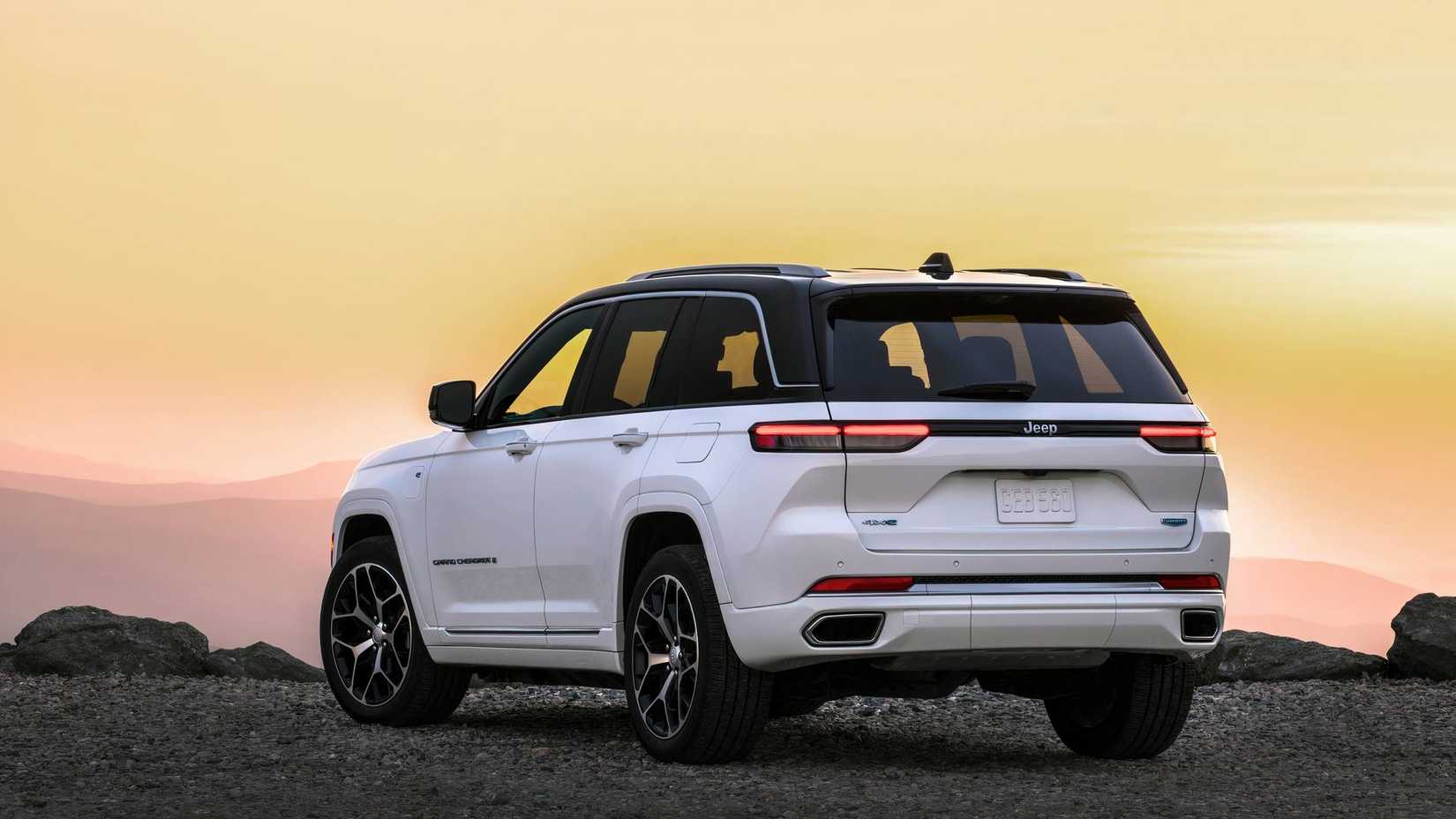
The Treatment Is Nonetheless Underneath Growth
Stellantis will begin notifying sellers in regards to the problem with the Grand Cherokee 4xe this week, whereas homeowners will get their notification late subsequent month. Sadly, although, the treatment for the issue continues to be below growth at this level. We do not anticipate Stellantis to take time to develop a repair since it is a software program problem, and a visit to the supplier will probably be temporary.
As the issue would not have any indicative traits for the driving force, we advise warning to Jeep Grand Cherokee 4xe drivers on the market. The recall doc did not specify what might overload the BPCM microprocessor, so we’re undecided how drivers can keep away from the difficulty. If it occurs when you’re on the freeway at pace, keep calm, let different highway customers find out about the issue along with your sign lights, and punctiliously pull over to the aspect of the highway.
FAQ’s
Q1: Why does my Jeep Grand Cherokee keep stalling?
Your Jeep may stall due to a faulty crankshaft or camshaft position sensor, fuel pump issues, a dirty throttle body, or electrical problems such as bad grounds or PCM glitches.
Q2: What is the biggest problem with a Jeep Grand Cherokee?
The most common problems include electrical system failures (TIPM issues), transmission troubles, engine stalling, and air suspension failures in higher trims.
Q3: Is the 2019 Jeep Cherokee recalled over stalling risk?
Yes. The 2019 Jeep Cherokee was recalled for transmission-related software issues that could cause stalling. A dealer software update usually fixes this problem.
Q4: Why does my Jeep Grand Cherokee turn off when I stop?
This often happens because of a dirty throttle body, bad idle air control valve, crankshaft sensor failure, fuel delivery problems, or stop/start system malfunctions.