
The Nissan Rogue is a huge deal for the brand in the U.S. With 245,724 units sold last year, it nearly outsold Nissan’s second and third best-sellers combined. It’s not just a key model for Nissan—it’s also one of the top-selling vehicles in America, SUV or otherwise. That kind of success means Nissan has no room to slip up. The Rogue has to stay sharp and meet the high expectations of the market.
That’s why the next generation, recently caught on camera DrivingOnRoad’s spy photographers, is so important. From what we can see, the new Rogue is getting a fresh look inspired by the latest Murano. The design tweaks give it a more modern, upscale vibe, which pairs nicely with the updated hybrid system that’s expected to be part of the package. All in all, it looks like Nissan is gearing up to keep the Rogue firmly in the game as one of America’s go-to SUVs.
Sleeker Face, Rugged Rear
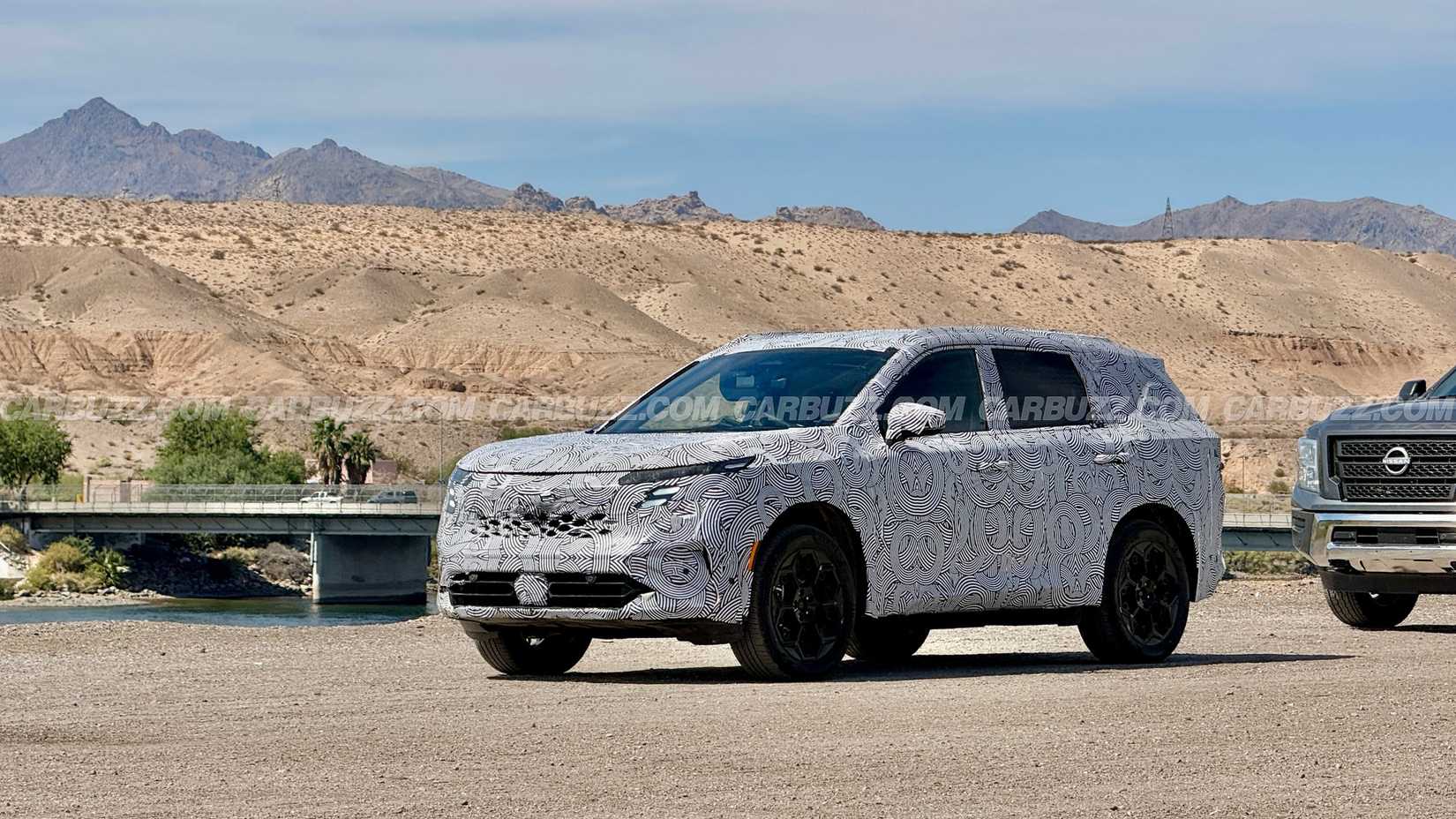
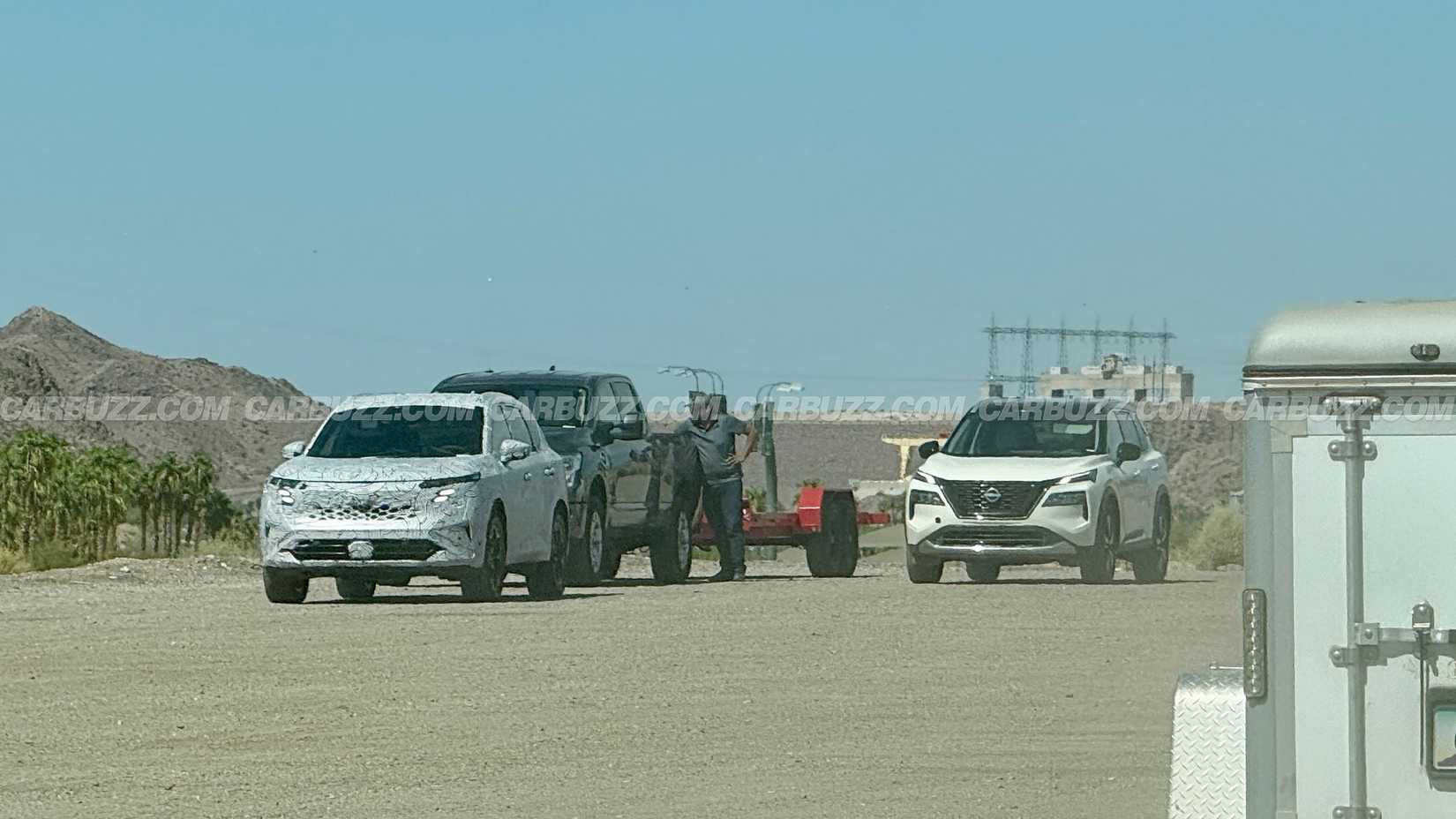
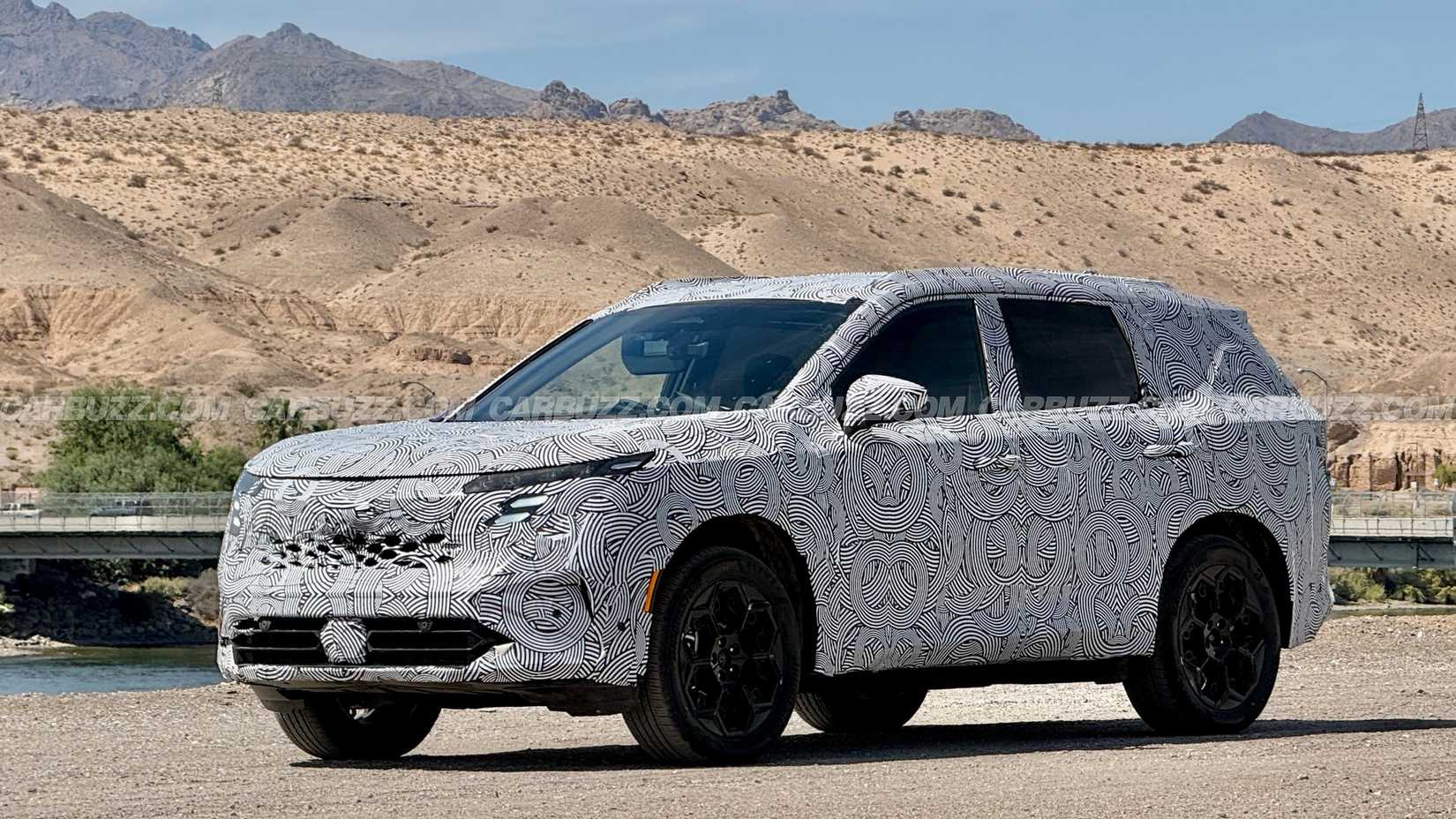
Parking the current Rogue right next to the camouflaged prototype was a clever move—it makes the differences much harder to notice at first glance. Still, there are some clear changes once you look closely. The new Rogue keeps the slim upper accent lights from the outgoing model, but now they’re stretched wider and look even thinner, giving the front a sharper, more modern face.
The grille is mostly hidden under camouflage, but a few details peek through. You can make out the curved edges and horizontal slats that echo the new Murano’s design, along with a bold crossbar running across the grille. Put together, these tweaks suggest Nissan is pushing the Rogue toward a more upscale, contemporary look without straying too far from the design language buyers already know.
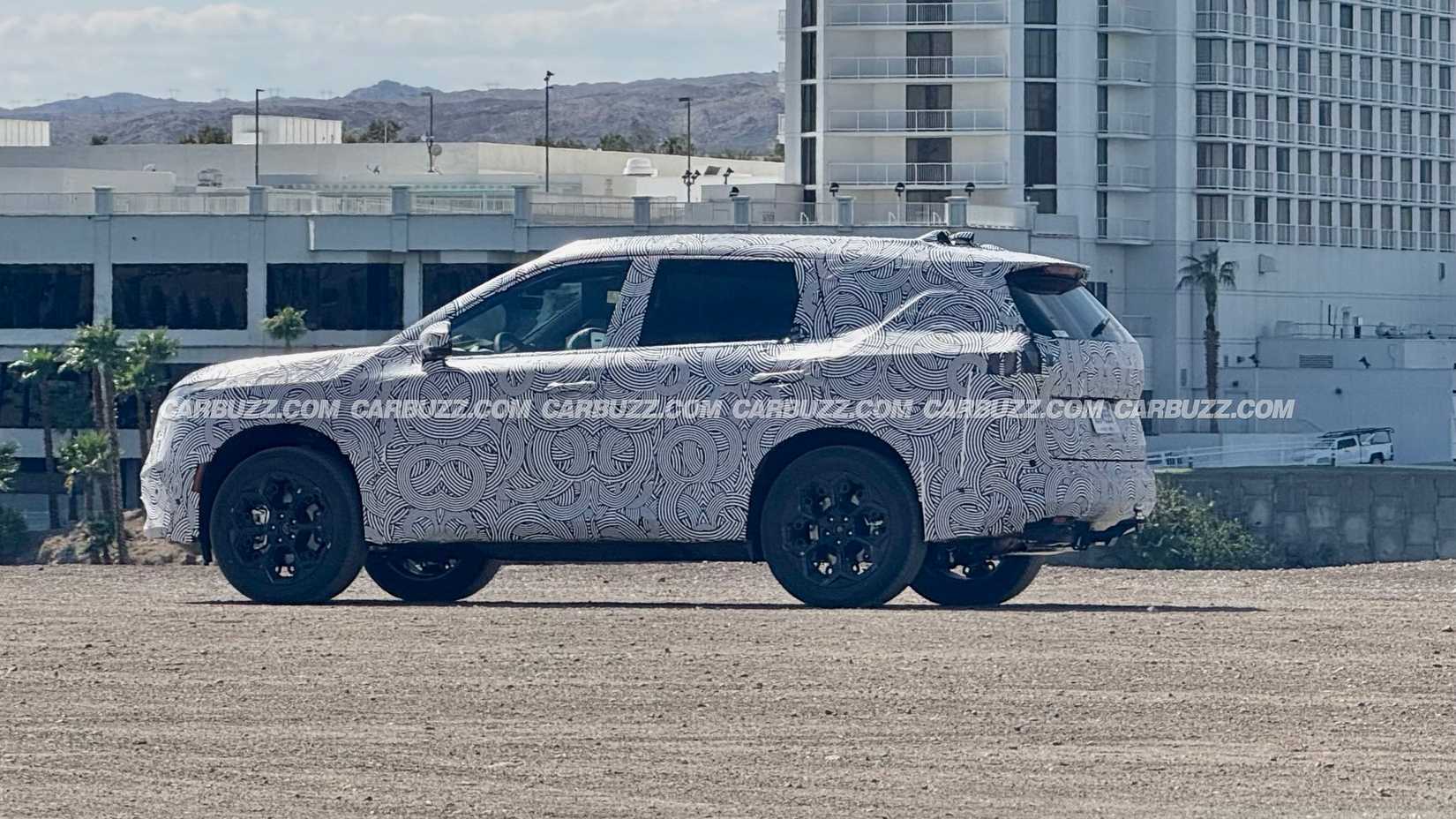
From the side profile, the new Rogue clearly sets itself apart from the Murano. While the Murano leans more toward the sleek, crossover look, the Rogue sticks to its SUV roots. That means a more upright roofline and a squared-off rear end, giving it a tougher, more practical stance. There does appear to be an upward curve in the rearmost window, a Murano-inspired touch that could create a floating-roof effect. Of course, with all the camouflage, it’s also possible Nissan is using a fake panel to disguise the true shape of the body.
Around the back, details are harder to make out, but the overall design looks very vertical and SUV-like. Interestingly, there’s a visible hitch at the rear, which could mean the next Rogue will offer a higher tow rating than the 1,500 pounds of today’s version. And if the distinctive wheel design seen on the prototype makes it to production, it would add a stylish little twist to the overall package.
Expect At Least One Cutting-Edge Hybrid
Under the hood, the next-generation Rogue is set to bring some big changes. Nissan is working on a new hybrid setup—and maybe even offering two options. One of the highlights will be the next generation of the company’s e-Power system, expected to debut with the Rogue in 2027.
What makes e-Power different is how it works. Instead of the gas engine driving the wheels, it’s used only as a generator to produce electricity. The electric motors handle the actual driving, which makes the system feel a lot like an extended-range EV. The key difference is that, unlike a full EV, it uses a much smaller, hybrid-sized battery.
Nissan is investing heavily in this technology, betting that it could be the sweet spot for drivers who want the smooth feel of electric power but aren’t ready—or able—to jump into a fully electric vehicle just yet.
The new system isn’t designed to deliver a long electric range, but it does open the door to using a smaller, more efficient engine while still offering the instant torque that makes EVs and extended-range EVs so enjoyable to drive. The current setup pairs a 1.5-liter engine with a 2.1 kWh battery pack, producing 202 horsepower.
We’ve already had the chance to test a prototype of this powertrain inside the European-market Qashqai, and the takeaway was simple: it felt just like a Rogue, only powered by electricity. That smooth, electric-style performance is exactly what Nissan is aiming to deliver.
There’s also another hybrid path Nissan may take—a plug-in hybrid. The brand is expected to launch a PHEV version of the current Rogue soon. This one would likely share the 2.4-liter four-cylinder engine and dual-motor setup from the Mitsubishi Outlander, which makes sense since the two SUVs already share much of their underpinnings. That said, this PHEV might be short-lived, sticking around for only a year before the all-new Rogue—seen here in spy shots—arrives for 2027.