
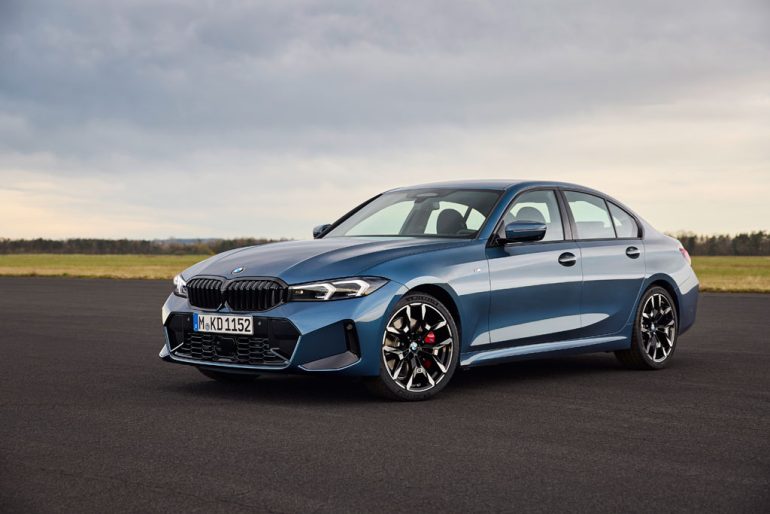
After months of back-and-forth negotiations, President Trump has reached a brand new commerce settlement with the European Union that slashes tariffs on imported European items, together with autos. For automakers like BMW and Mercedes-Benz, the timing couldn’t be higher. The revised 15% tariff, down from the earlier 25%, will seemingly supply some respiration room for Germany’s export-heavy auto trade, which has been underneath appreciable pressure.
The deal, finalized throughout a gathering between Trump and European Fee President Ursula von der Leyen in Scotland, additionally consists of tariff exemptions on choose non-automotive items like plane components, particular chemical compounds, and semiconductor tools. In change, the EU has agreed to buy roughly $750 billion price of American semiconductors, oil, fuel, and nuclear gas, in response to reviews from Al Jazeera. Nevertheless, the 50% tariff on metal and aluminum imports from the EU stays in place for now.
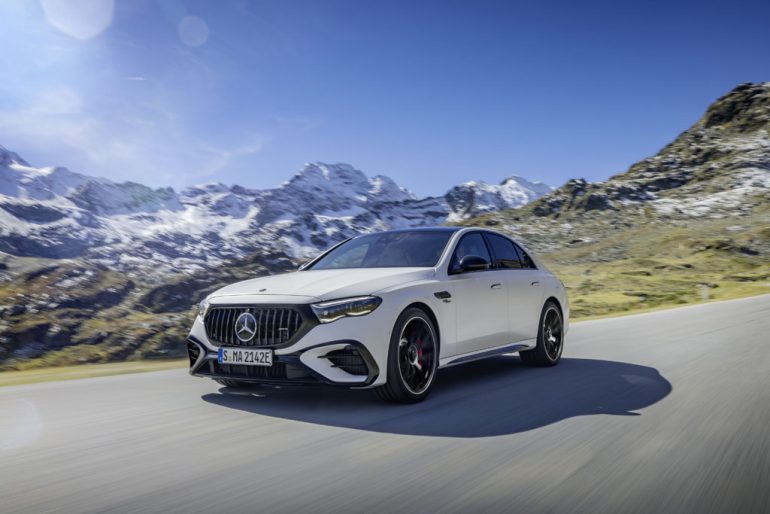
Trump known as the end result “the largest deal ever made” and emphasised that it will profit each economies. Von der Leyen echoed the sentiment, saying the settlement would restore predictability and scale back uncertainty for transatlantic enterprise operations.
However whereas the headlines paint an image of diplomatic victory, the true story is extra advanced, particularly for German automakers like Volkswagen and Porsche. The previous a number of months of steep tariffs have already taken their toll. Volkswagen’s earnings dropped by a 3rd in Q2 regardless of stronger gross sales volumes, and Porsche CEO Oliver Blume has publicly acknowledged that Porsche’s present enterprise mannequin is now not sustainable underneath at the moment’s international financial pressures.
Though this new deal will soften the blow, the challenges for Germany’s auto giants are removed from over. A 15% tariff could also be decrease than what was looming, however it nonetheless represents a big value burden for manufacturers that rely closely on exports. In line with Wolfgang Niedermark from the Federation of German Industries (BDI), even this decreased tariff can have “immense damaging results” on the nation’s industrial sector.
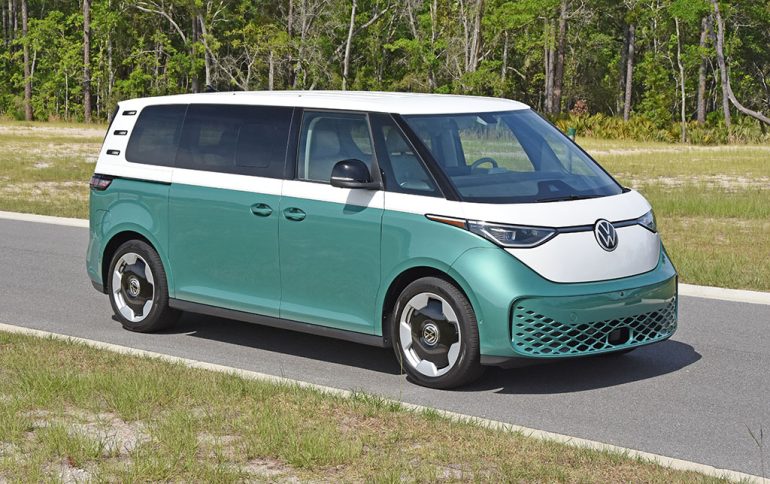
For BMW and Mercedes, the decreased tariff may assist forestall value spikes for customers within the U.S., retaining their premium choices extra competitively positioned towards Japanese rivals like Lexus and Acura, who simply benefited from the same commerce deal between Trump and Japan. However for Volkswagen and Porsche, already reeling from monetary setbacks, the aid might arrive too late to reverse short-term losses.
Within the grander scheme, this deal may supply the EU and U.S. an opportunity to reset financial relations and scale back the chance of additional escalation. For the auto trade, it’s a step in the fitting path, although hardly a return to regular. Manufacturers will nonetheless have to recalibrate methods, discover efficiencies, and brace for continued volatility in international commerce coverage.
So whereas Trump’s newest transfer might have pulled German automakers again from the brink, the highway forward stays rocky. And for some, like VW and Porsche, the injury might already be finished.