
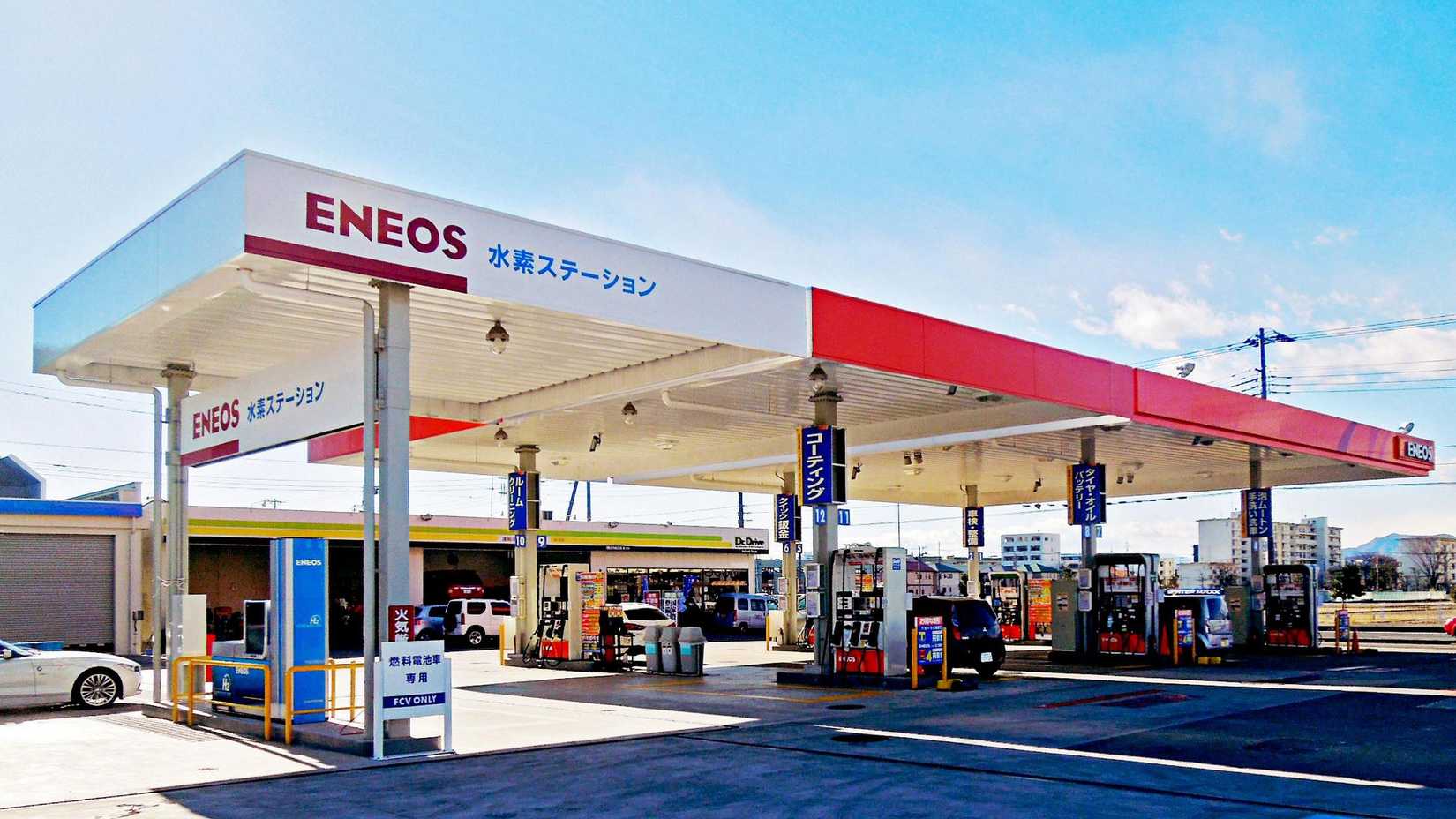
It can be hard to fill up hydrogen tanks for fuel cell cars and hydrogen engines. A gas with a high pressure needs to be moved from one tank to another. Because of the pressure, there is a chance of leaks. And because it’s cold, the nozzle might freeze over. Toyota is looking into the use of a swappable tank, which is one that can be taken off and refilled without the vehicle. This would allow the gas station to fill it up for later use. But that makes things worse too.
Due in part to these problems, hydrogen is still not an easy to get or cheap fuel source. There is also almost no infrastructure for refueling, so Toyota is clearly spending a lot of time trying to solve problems that may never exist.
Swapping Storage Tanks Isn’t As Simple As It Sounds
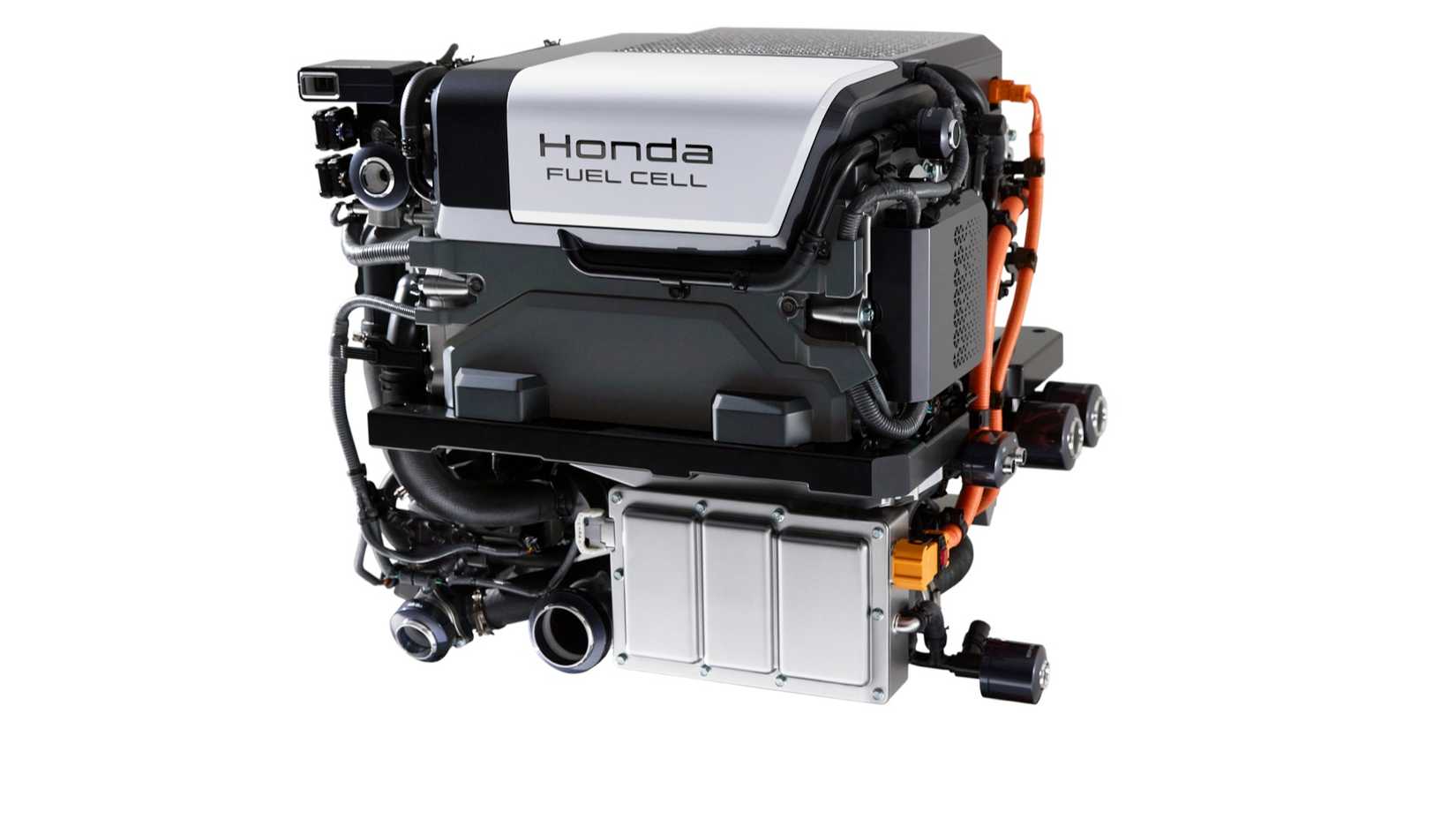
The issue is that a tank that can be taken off lets regular air into the system. No matter how little air gets into the fuel cell, bad things can happen. It might even damage the part of the cell that turns hydrogen and oxygen into electricity. In a combustion engine, it can cause the fuel to burn too slowly and damage the engine. DrivingOnRoad found a patent in WIPO that might help find a solution.
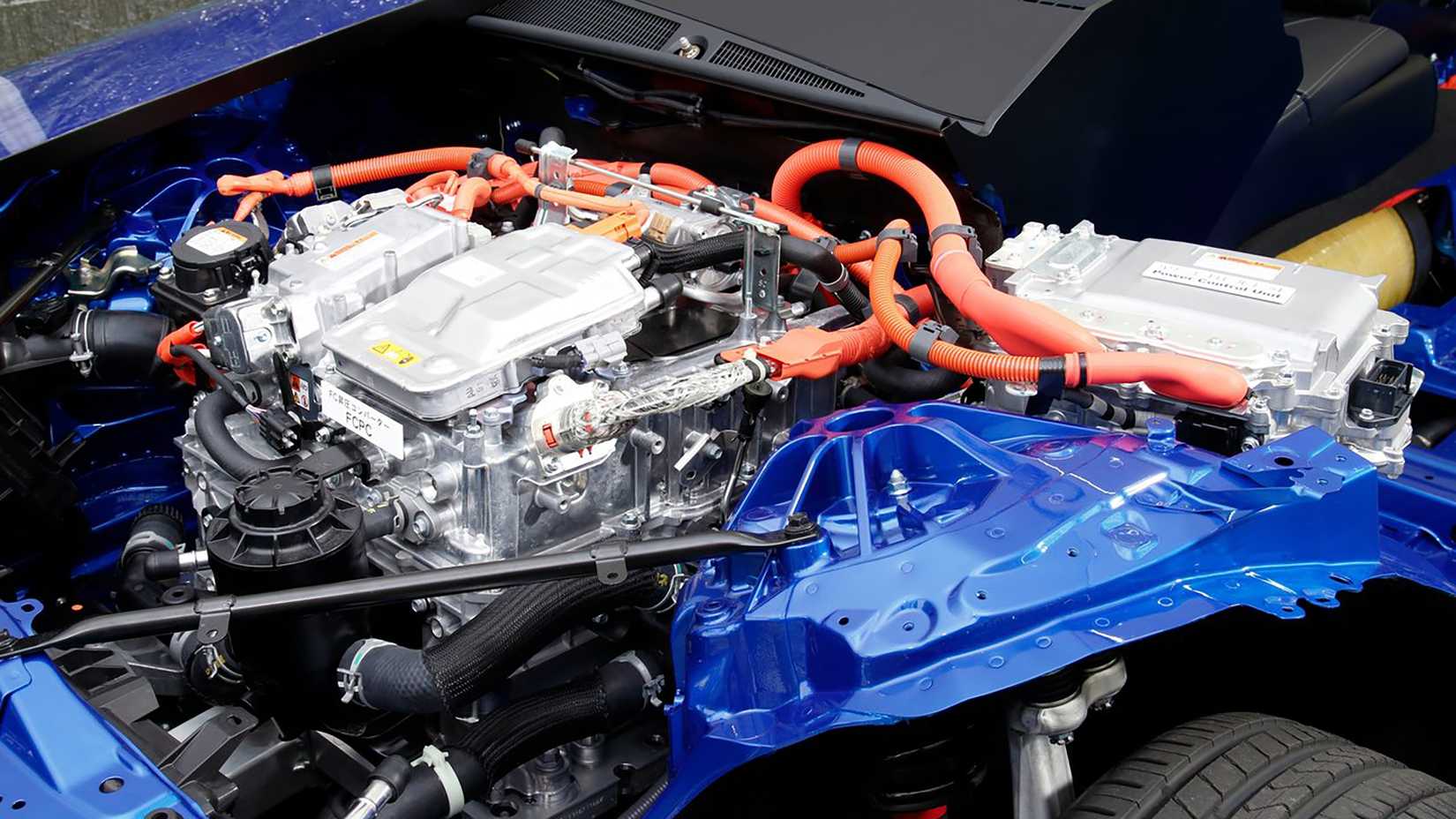
In the patent, Toyota proposes a device called an oxygen reduction mechanism. The goal of the mechanism is in the name, and it has a cool side effect. It would vent air not unlike drag racers purging their nitrous bottles before punching the throttle.
Before it can get the oxygen out of the system, it first has to detect that there is air in the system. According to the patent, the system would do that by measuring the pressure in the tank as well as the pressure in the hydrogen lines leading to the fuel cell. If it detects a situation where air in the system is possible, then the system cuts off the flow of hydrogen to the cell.
From there, it vents the air into a bypass pipe. That bypass dumps into the atmosphere, letting the air as well as some hydrogen out until the system is purged. In theory, everything is then nice and balanced. Just make sure the venting doesn’t take place around any sources of heat.
Dumping Fuel Into The Air?
Letting fuel escape into the air usually sounds like a big problem, but with hydrogen it’s not quite the same story. In fact, it’s not nearly as harmful as you might think. There’s already a tiny amount of hydrogen naturally in the atmosphere—only about 0.00005%. That’s extremely small, but it shows hydrogen isn’t something completely foreign to our air.
The good news is that hydrogen isn’t a greenhouse gas, so releasing it doesn’t add to climate change the way carbon-based fuels do. The main concern, however, is safety. Hydrogen can ignite very easily, and it doesn’t take much oxygen for it to burn. Because it’s lighter than air, it tends to rise instead of collecting in low areas, which helps reduce the danger outdoors. Indoors, though, venting hydrogen can create a fire risk, so it’s something that has to be carefully managed.
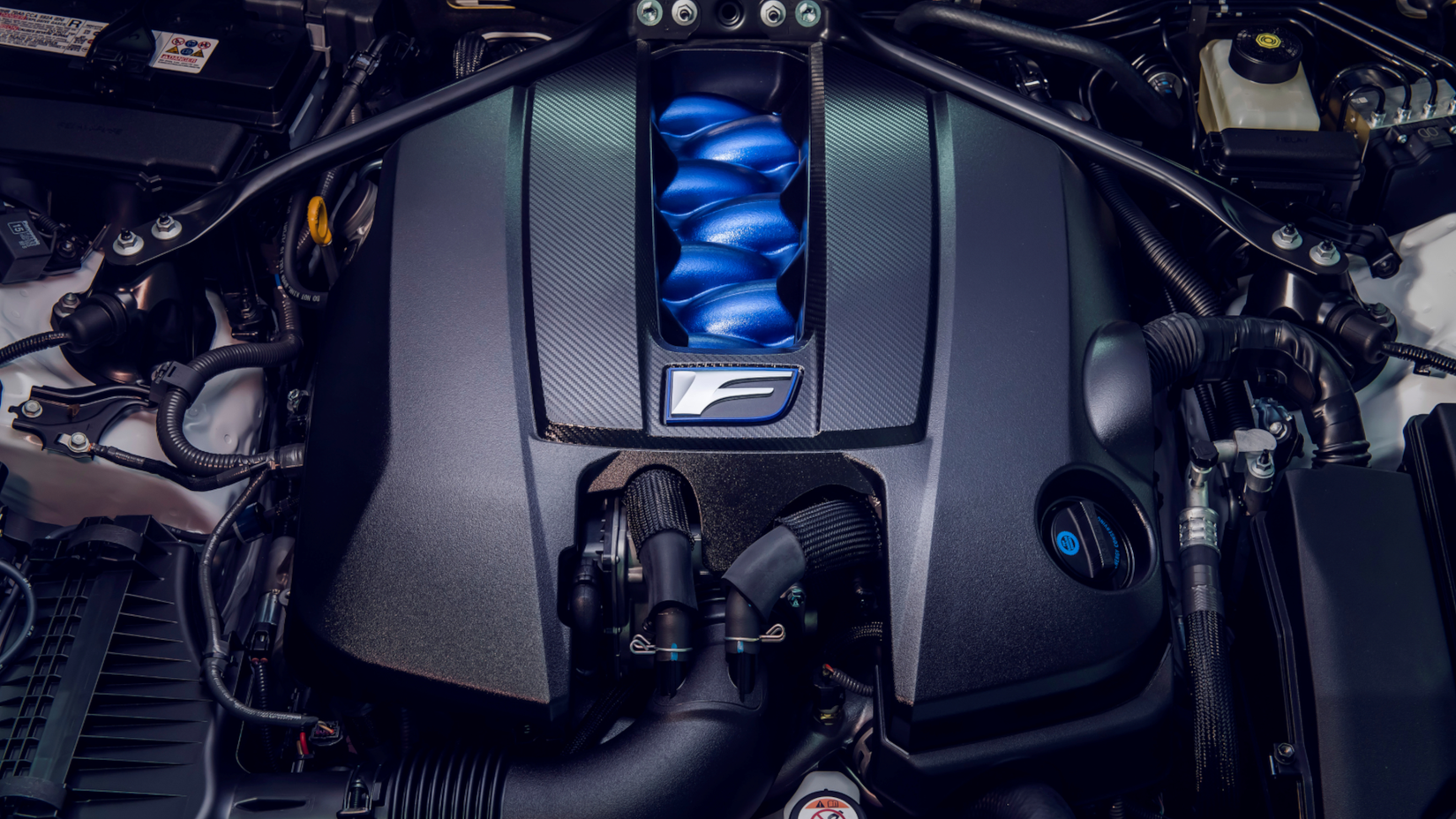
Toyota’s latest patent doesn’t really touch on how a system like this might actually be managed—and to be fair, that’s not what patents are meant to do. They usually cover one specific idea, not the entire ecosystem that would make it work. If anything, that would probably fall under a completely different invention that doesn’t exist yet.
Now, the thought of swappable hydrogen tanks sounds interesting. On paper, it could make refueling more convenient. But here’s the catch: hydrogen refilling is already almost as quick as pumping gas—at least when the station is running smoothly. So in practice, this idea feels more like a solution searching for a problem. But that’s often how the patent world works.
What really matters here is the signal Toyota is sending. They’re not only investing in hydrogen fuel cells and combustion tech, but also thinking about the infrastructure side of things. And infrastructure remains one of the biggest roadblocks to making hydrogen a mainstream vehicle fuel.
It’s also worth pointing out that a patent like this doesn’t necessarily mean we’ll see it in future cars. Automakers often file patents just to protect ideas or potential IP. So while it’s not confirmation of what Toyota plans to build, it does show they’re exploring every angle to keep hydrogen on the table as part of the automotive future.