
The federal EV tax credit has long been one of the biggest boons for electric-vehicle sales – but it’s soon going away. Under the One Big Beautiful Bill, signed into law by President Trump in July, both the $7,500 credit for eligible new electric vehicles and up to $4,000 for used EVs will be phased out on September 30, 2025. Naturally, this looming expiration has triggered a surge in EV demand, with eager buyers scrambling to snag bargains like the Chevy Equinox EV ahead of the deadline.
Fortunately, a loophole lets you still claim the credit, even if your EV is due for delivery well after the deadline passes. According to a bulletin from the IRS published just last week, anyone who has a written binding sales contract in place and has made a payment before Sept. 30 will still be entitled to claim the credit when they eventually take delivery. It means automakers can sell shoppers more EVs with a juicy incentive right up to the cutoff date, though bargain hunters may have to wait longer than usual for delivery depending on how tight production is running. No limit on how far out the delivery can be was mentioned by the IRS.
Some Real Bargains To Be Had
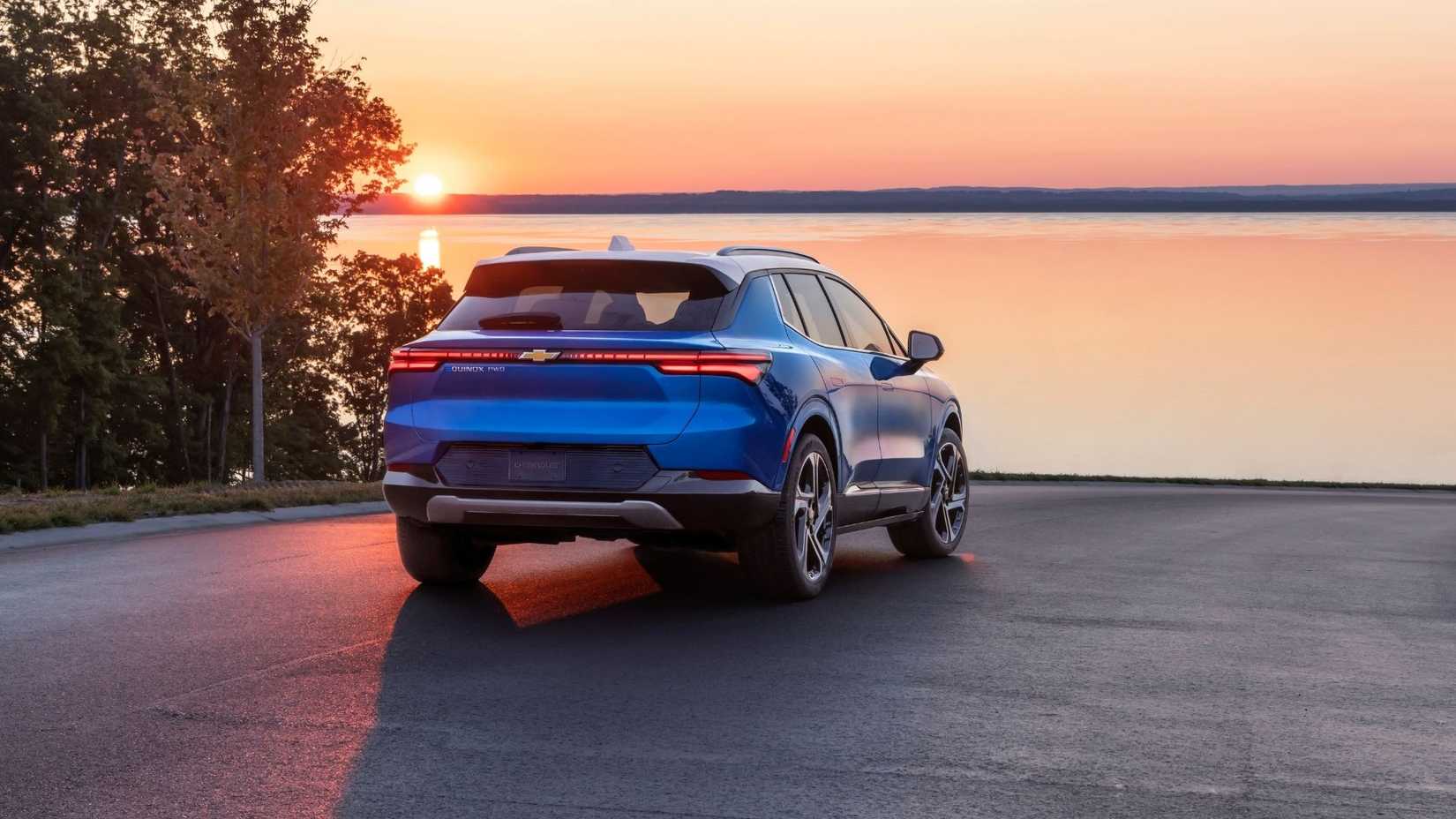
There are some real bargains to be had right now, especially for buyers eligible for the full $7,500 federal tax credit. Take the 319-mile Equinox EV, which starts at $33,600. With the full credit applied, the final price drops to just $26,100. Other strong deals include the Hyundai Ioniq 5 and Kia EV6, sibling models that both start at a little over $42,000, offering buyers an opportunity to get high-quality EVs at significantly reduced prices before the sunset on the credits.
The approaching Sept. 30 deadline is pulling forward a lot of EV demand, creating a temporary surge in sales. After the incentives expire, however, EV sales in the US will almost certainly drop sharply. Demand has already been growing slowly, and without these generous credits, it could even decline. That’s why many automakers are reconsidering their EV strategies and pivoting toward hybrid vehicles to better match the market.
The federal EV tax credit was first introduced in 2008 as part of the Energy Improvement and Extension Act. Originally, the credit phased out once an automaker sold 200,000 qualifying vehicles, which meant high-volume EV manufacturers like Tesla and GM lost eligibility early. In 2022, the Inflation Reduction Act overhauled the program, removing that cap and adding new requirements on income, vehicle price, and battery sourcing. Today, buyers can either claim the credit when filing their taxes or transfer it to a participating dealer for an immediate discount at the time of purchase.
Other Incentives Going While Some Sticking Around
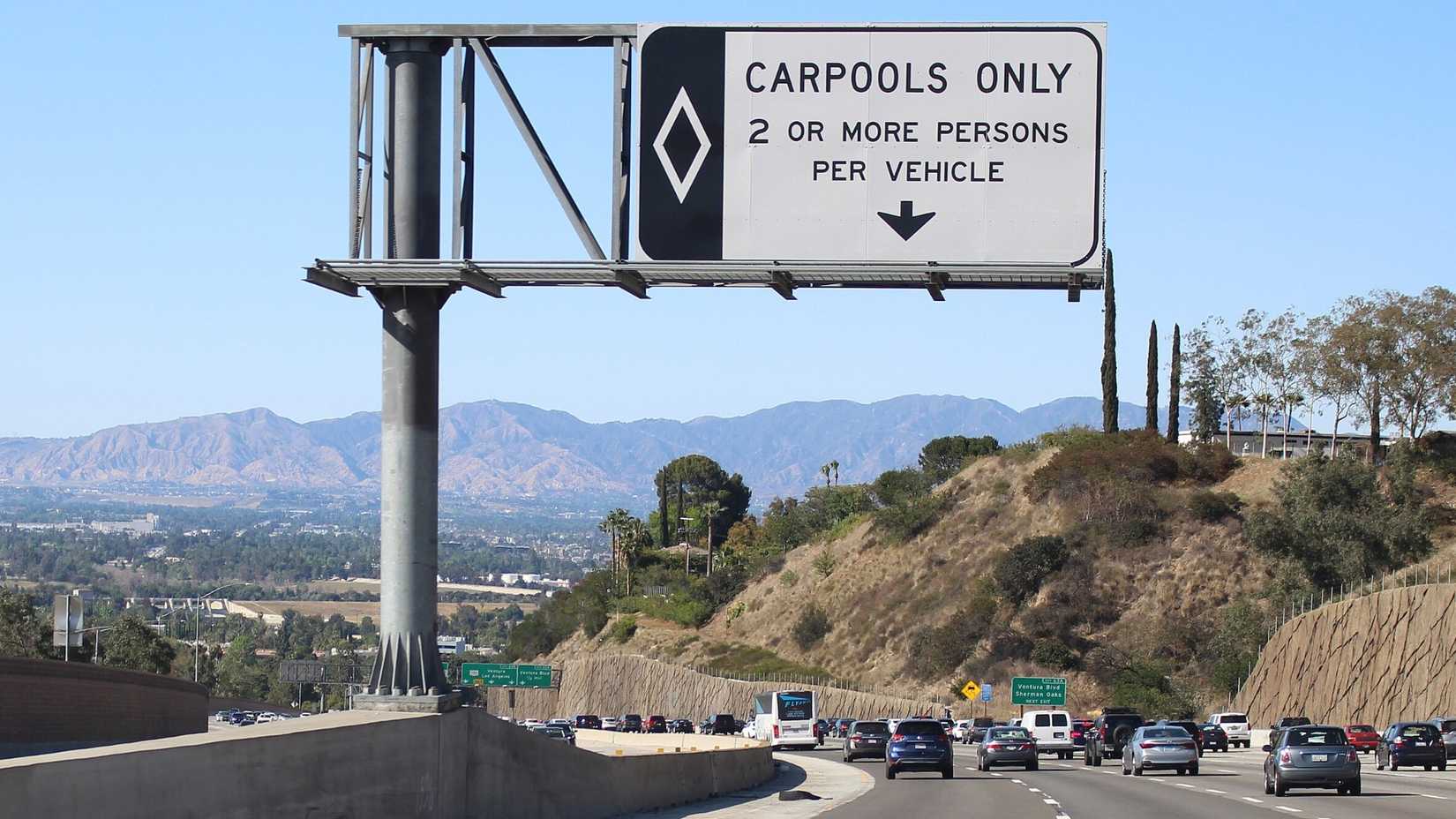
EV owners in 13 states also enjoy a valuable carpool lane incentive, available in places like Arizona, California, and Georgia, which let them bypass traffic and reach their destinations faster than regular drivers. That benefit, too, is set to end on Sept. 30, aligning with the federal tax credit’s expiration. Federal lawmakers have floated the HOV Lane Exemption Reauthorization Act, which would extend EV and alternative-fuel vehicle exemptions through 2031, but its future remains uncertain.
Meanwhile, not all federal support is disappearing. Federal and state incentives for EV manufacturing remain intact, helping drive investments such as Ford’s new battery plant in Michigan, which underscores the continued focus on domestic production.